Bike In Time:
Stunt Trials
← Portfolio
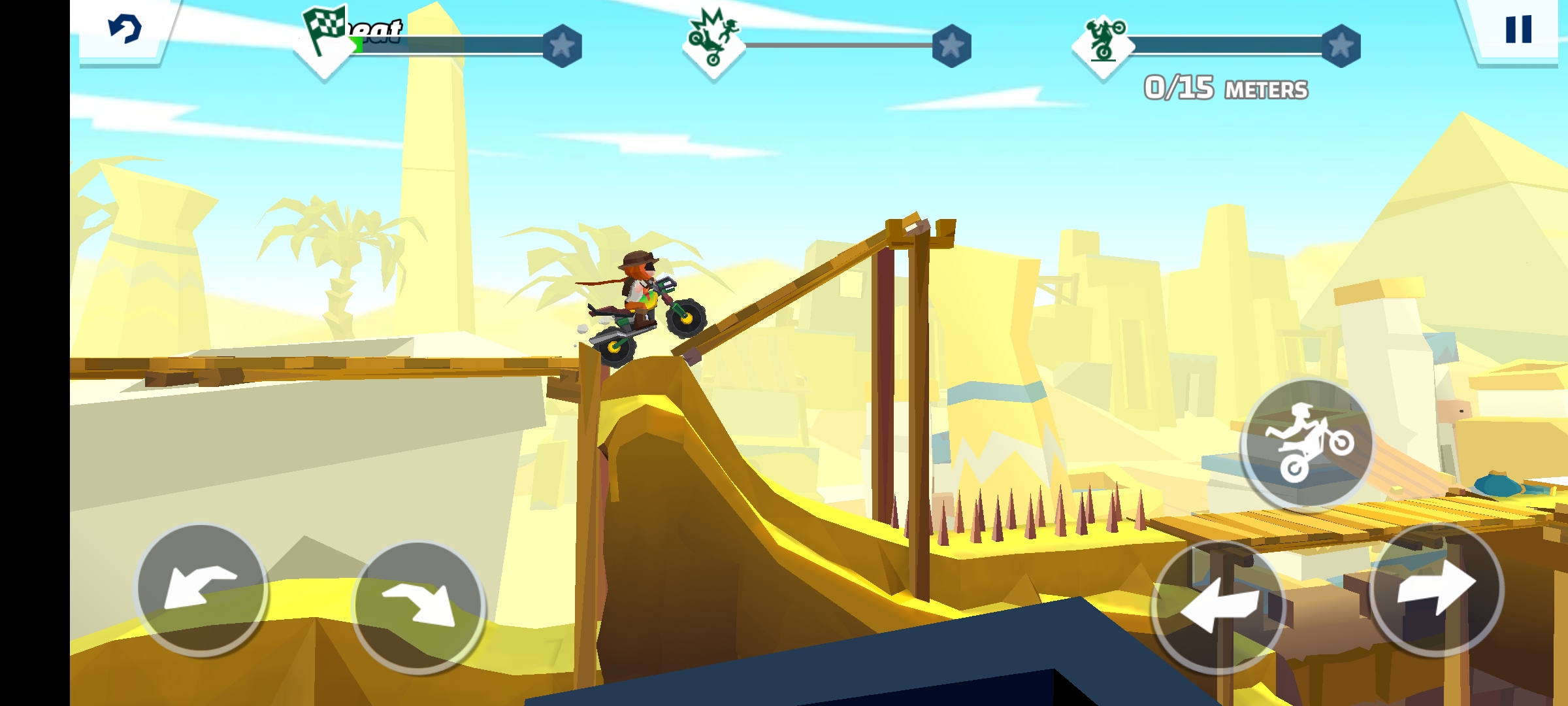
Overview
I led a team of four game designers and owned the full development cycle of Bike In Time: Stunt Trials, from the first concept through to gold master.
It's a skill-based game built on bike physics, and my job covered both halves of leading a project: setting the design direction the game would follow, and making sure a team of designers, programmers, and artists actually delivered it to quality and on schedule.
The most important early work was getting the bike physics and controls right, because in a physics-driven game the feel of control is the game. If that isn't right, no amount of content saves it.
What I Was Aiming For
Physics That Feel Earned
Responsive, skill-based bike controls where every crash felt like something the player could have avoided. In a physics game it's easy for difficulty to feel like the game cheating rather than the player failing — cutting that distinction was the core design challenge.
A Difficulty Curve That Pulls Forward
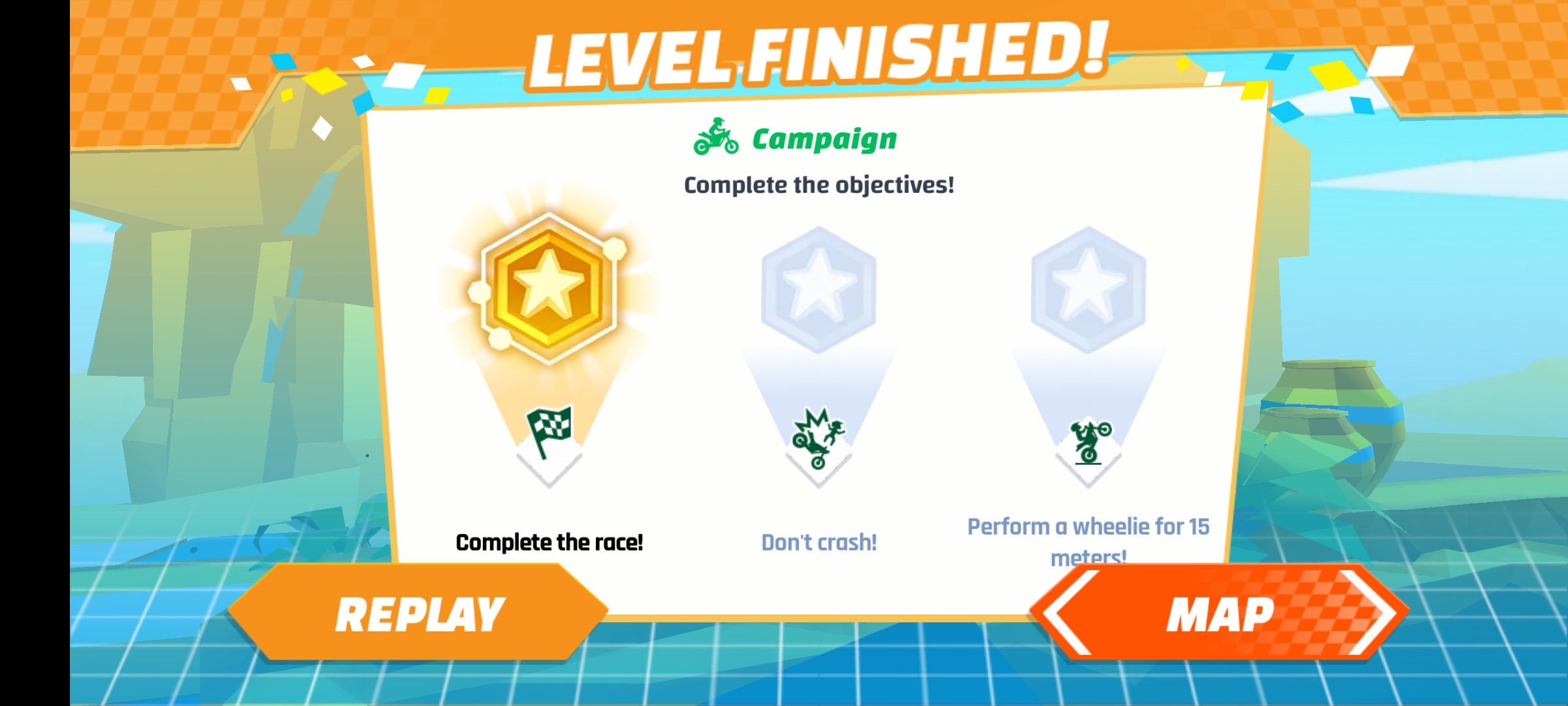
Progression and difficulty balanced together so the game ramped at a pace that challenged players without frustrating them. A loss that feels unfair bounces players out. A loss that feels avoidable keeps them retrying.
A Team That Shipped to Quality
Clear vision, aligned stakeholders, reviewed deliverables, and milestones hit. Design direction without delivery is just intention — the leadership side of the job was making sure good ideas actually made it into the build.
How It Came Together
I led the concept and prototyping phase. I designed the core gameplay systems and features, then wrote and finalised the game design document the whole team built from. I defined the player journey and the environments players would move through, assigned and tracked tasks across the designers, and reviewed deliverables before anything moved forward.
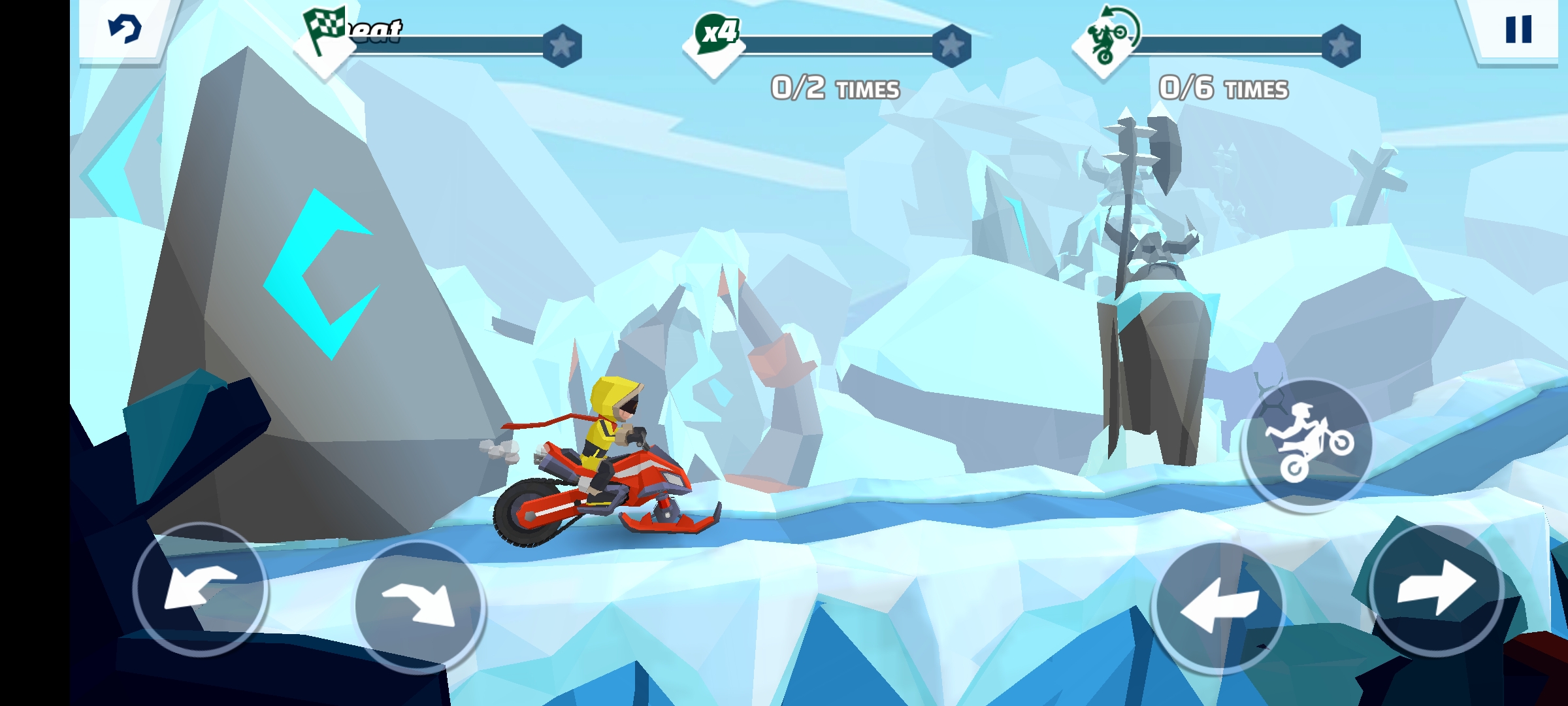
Built the core gameplay loop and the physics foundation. The sole goal was validating that the core mechanics were fun before scaling anything up. Physics-driven games live or die on this pass — if the basic feel isn't there, everything built on top of it is on shaky ground.
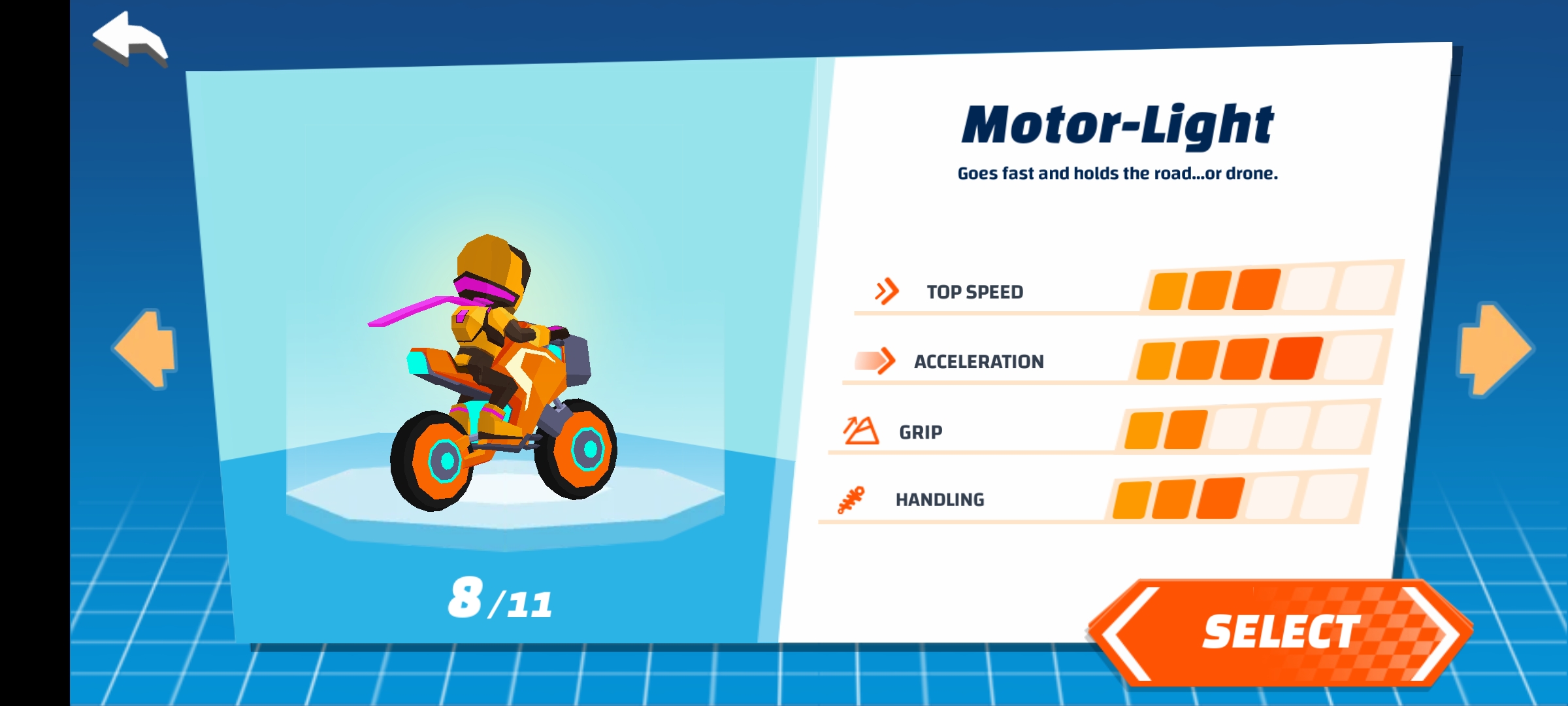
Expanded the gameplay systems and implemented the full level set alongside the progression systems, growing the prototype into something that played like the real game. I designed the mechanics, controls, and obstacle systems in this phase and tuned the bike physics until they felt fair and responsive.
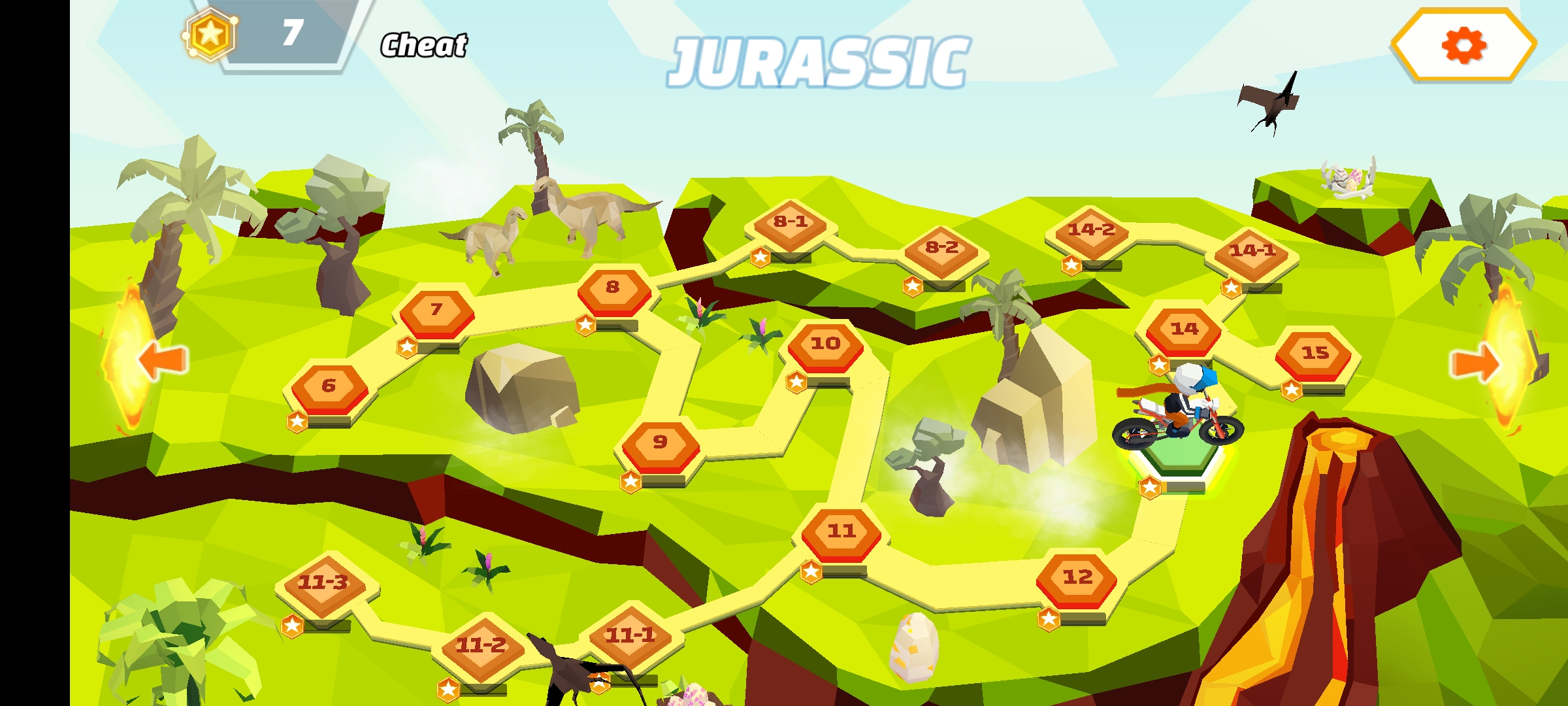
Balanced gameplay and progression together, since they pull on each other, and fixed the major issues that only surface once all the systems are interacting at once. I ran playtests throughout and folded the feedback back into the design, fixing physics and progression bugs and polishing the overall experience. I kept cross-team alignment here too — programmers, artists, and stakeholders all working from the same picture.
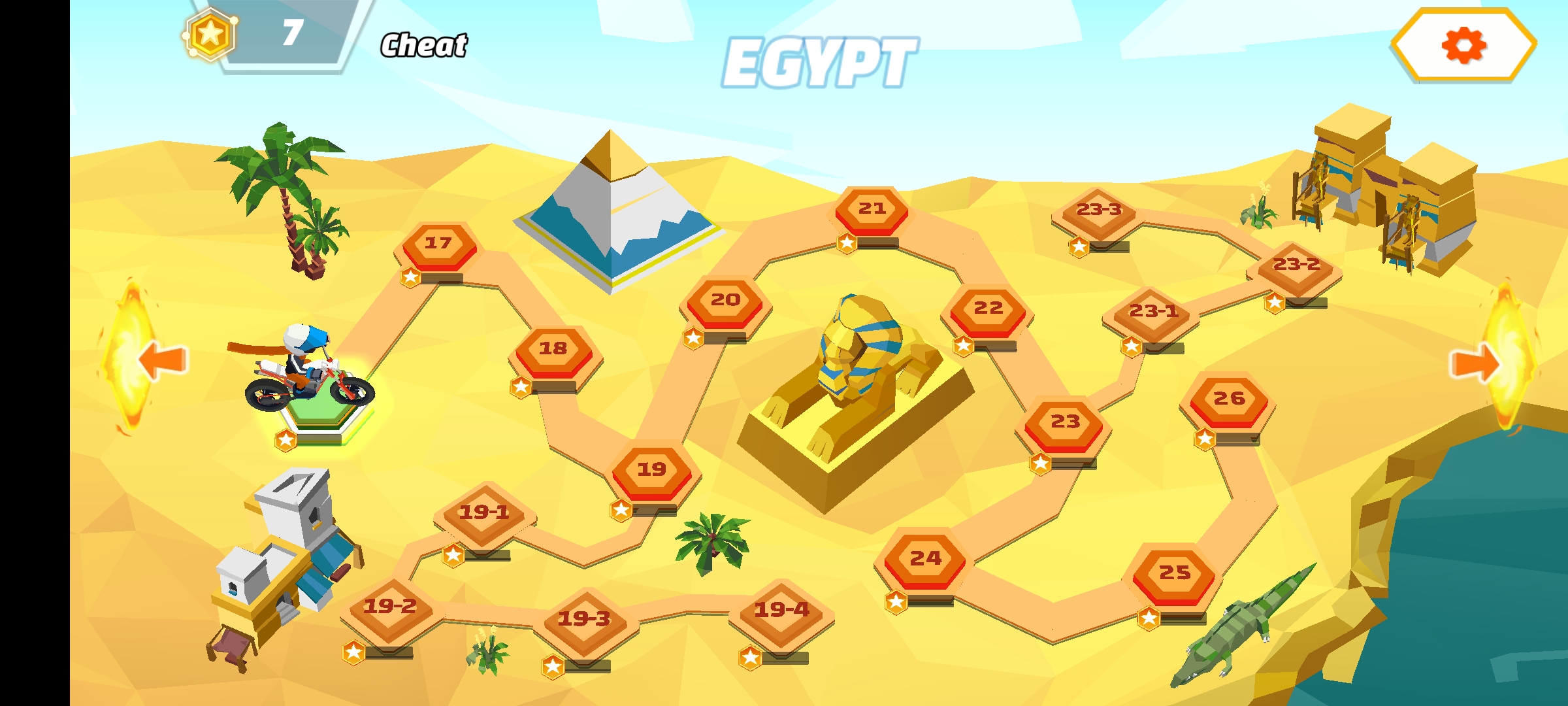
Final polish and optimization pass — locking the difficulty curve, closing the last gameplay and stability issues, and delivering a release-ready product on schedule.
What I Owned
Full design leadership across the development cycle — vision, pillars, GDD, mechanics design, bike physics tuning, level creation, obstacle systems, progression and difficulty balancing, QA, playtesting, and milestone delivery. I managed and mentored four designers, owned all cross-team alignment, and held the quality bar at every stage from prototype to gold master.
Gameplay & Retention
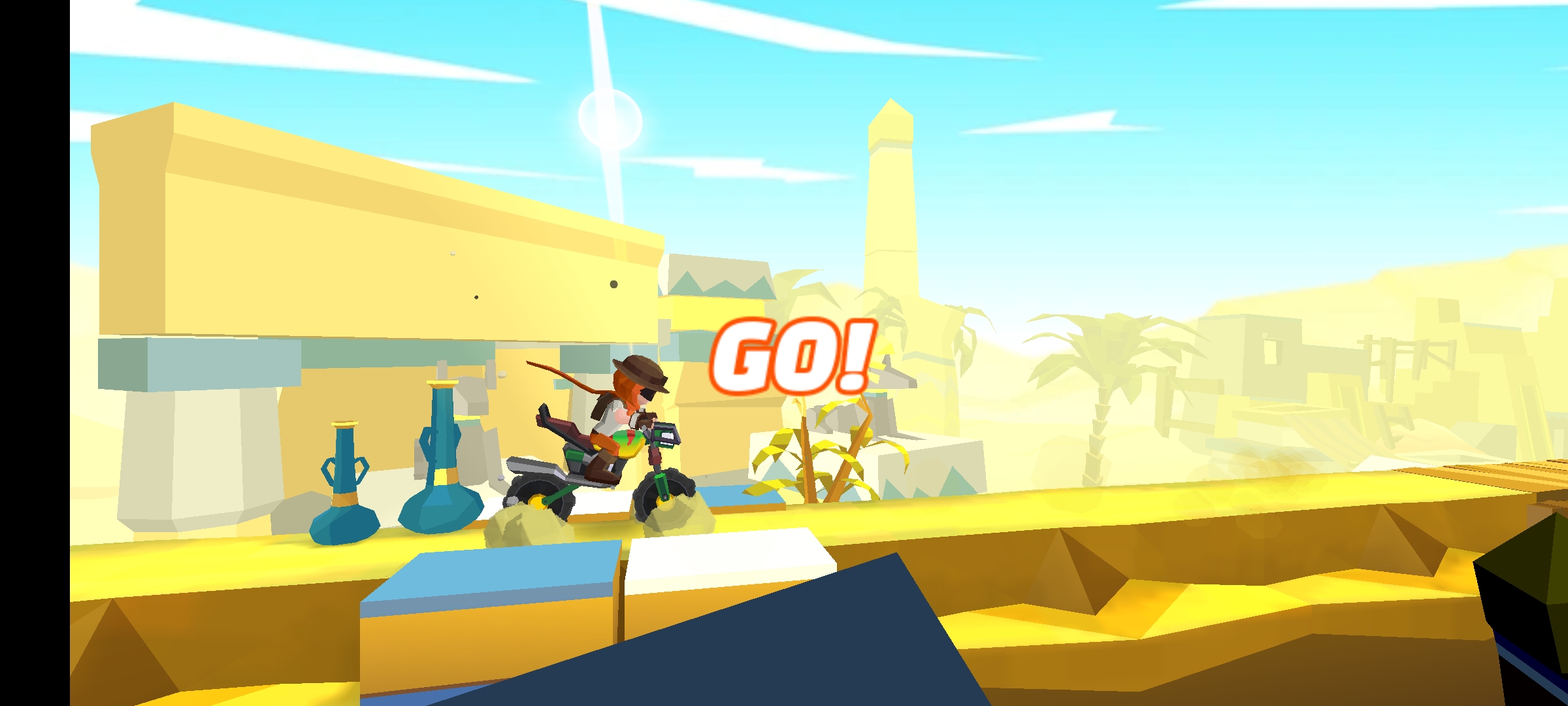
- Average session length up ~17–20%
- D1 retention up ~3–4 points
- D7 retention up ~2–3 points
- Level completion rate up ~12–18%
- Player satisfaction improved alongside completion
- Polished, release-ready game delivered on schedule
Outcome
A polished, release-ready game delivered across the full cycle by a team I led.
The responsiveness of the bike controls and the fairness of the difficulty curve did the most work. Responsive physics kept players in the skill loop. Balanced difficulty — tuned specifically to make failures feel avoidable rather than arbitrary — kept players retrying instead of quitting, which is what the completion rate and retention numbers reflect.
The result was a game with real replayability: one that rewarded players who invested in mastering it, built on a foundation that could have continued into live-ops.