Monster Truck
Xtreme Racing
← Portfolio

Overview
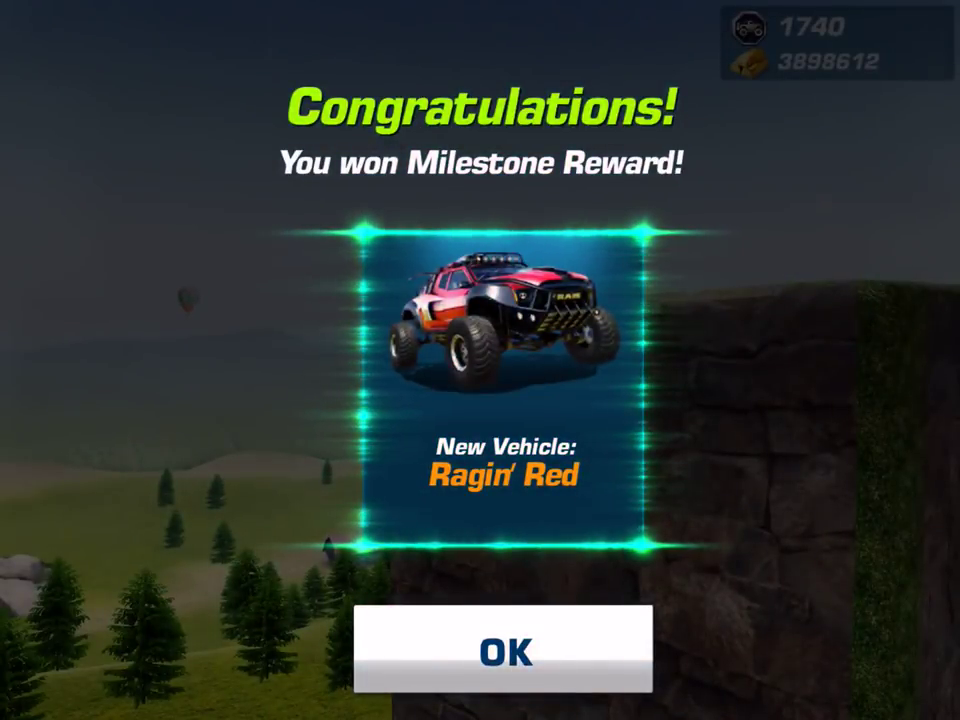
I led the end-to-end development of Monster Truck Xtreme Racing and owned both sides of it: the game design and the product strategy.
As lead game designer I was responsible for how the game played — the vehicle physics, the systems, the levels, and the progression. As product manager I was responsible for how it performed — the monetization, the pricing, and the analytics-driven improvements that came after launch.
I carried it from the first prototype through gold master and on into live operations, treating both roles as a single brief rather than two separate jobs.
What I Was Aiming For
Physics That Feel Distinct
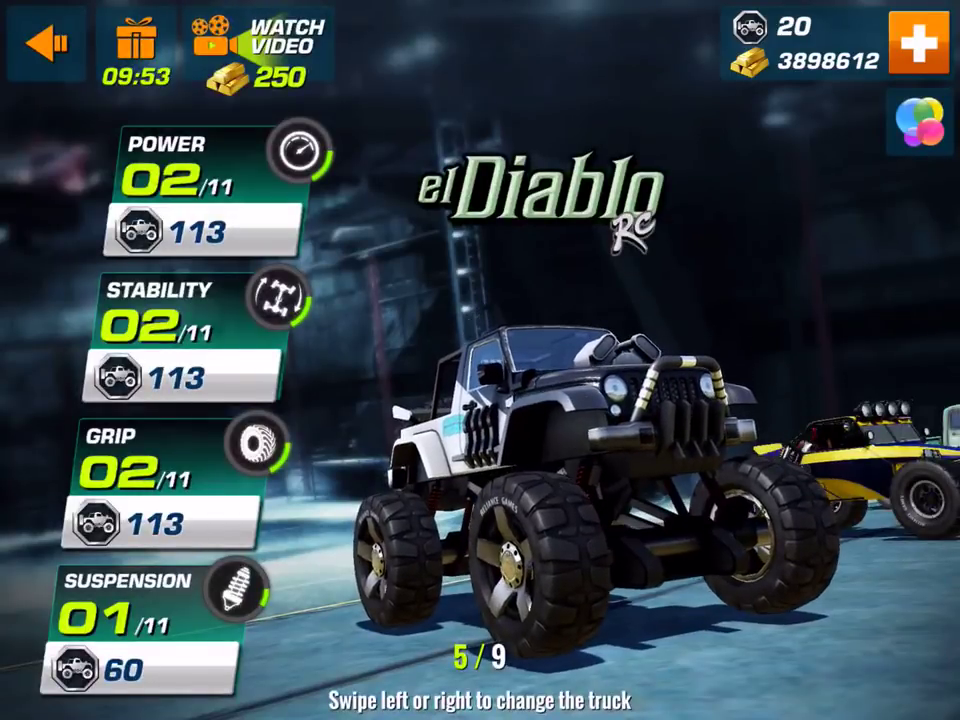
Each vehicle needed its own character. I tuned physics parameters so the trucks felt meaningfully different to drive rather than reskinned versions of one another, and designed the upgrade systems so upgrading a vehicle changed how it actually felt to play, not just its numbers on a screen.
Progression That Always Has a Next Step
A curve that gave players a clear next goal without letting them outpace the challenge. Vehicle unlocks, level gating, and upgrade scaling all needed to work together, with the FTUE and hint systems bringing new players into that loop before they ever felt lost.
Monetization That Rides With the Player
An economy where spending felt like a natural way to move faster through content players already wanted, not a toll gate that punished them for not paying. That balance between design and product strategy is where most of my energy went.
How It Came Together
I worked closely with engineering to build and tune the vehicle physics from scratch. The sole goal was validating the core driving mechanics — proving the physics felt good before committing to build a game around them. Everything else depends on this.
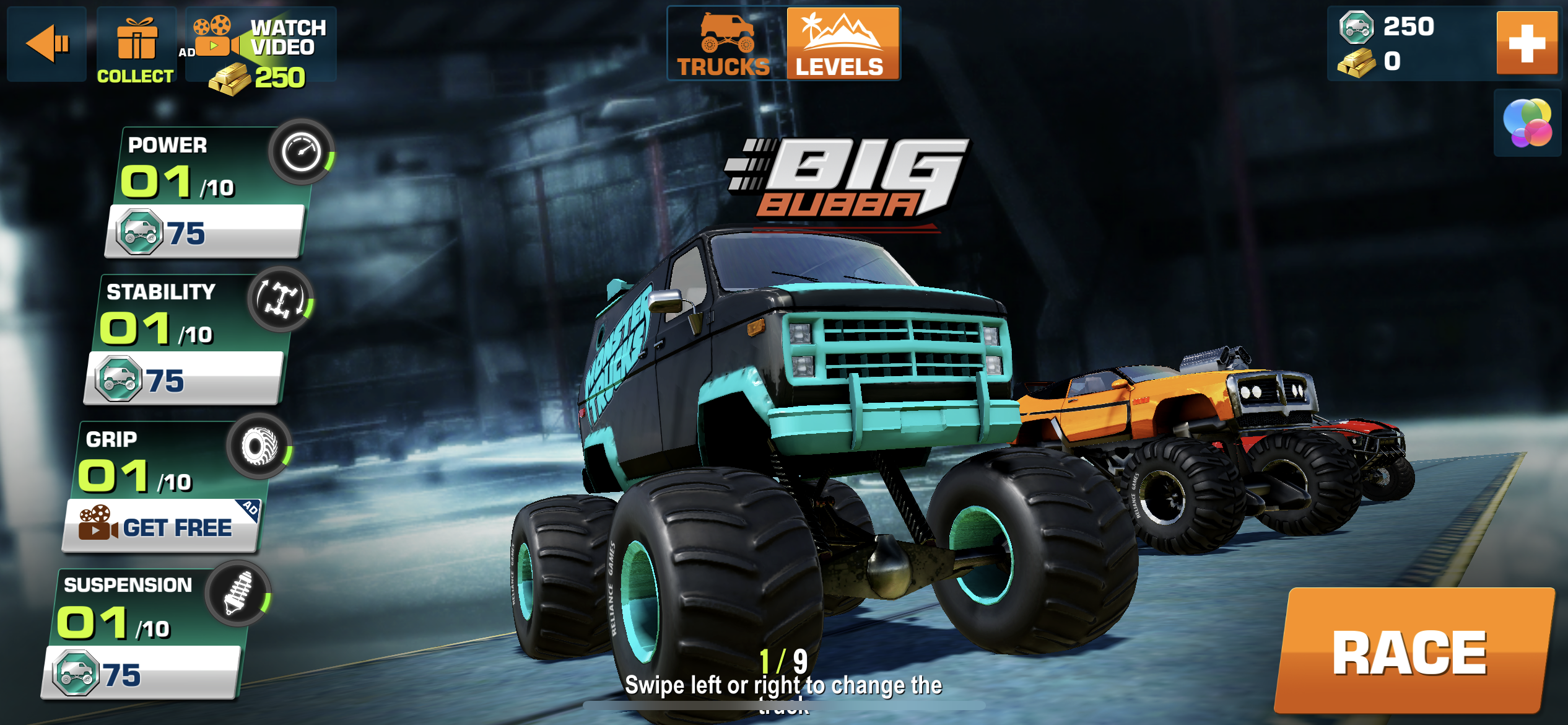
I designed the player progression from the first moments onward: the FTUE and hint systems that get a new player comfortable, then the structured logic underneath — how vehicles unlock, how levels gate access, and how upgrades scale as players advance. I also built out the full level set using the level creation systems I defined in Unity, which let us work efficiently and consistently.
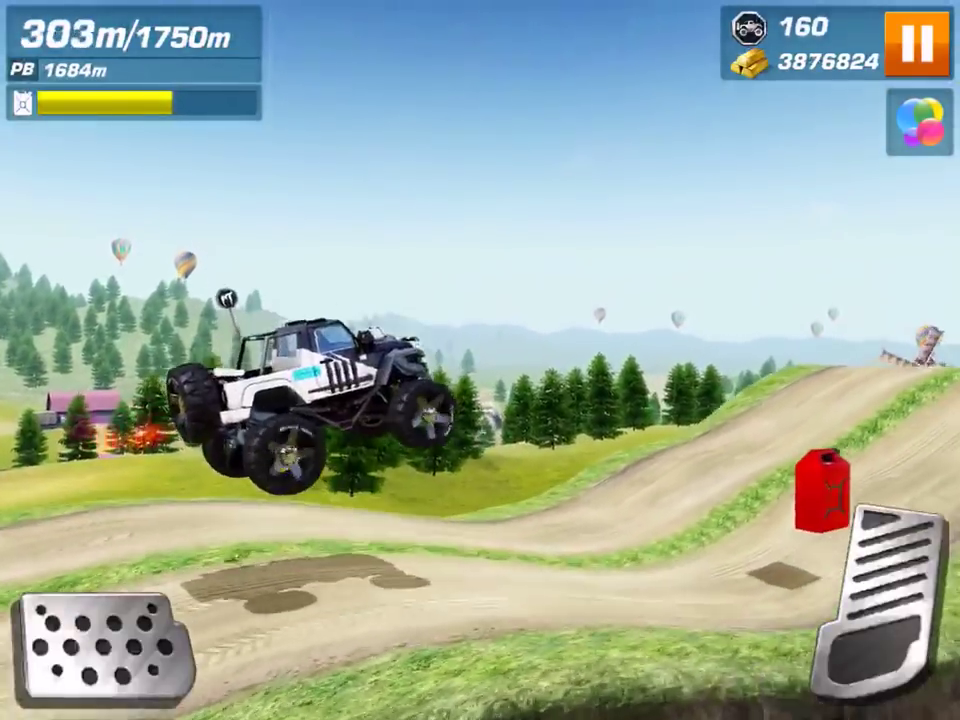
I balanced gameplay, economy, and difficulty together, since they pull on each other, and fixed the major issues that only surface once all three are interacting at once. I designed the IAP bundles, built the pricing strategy behind them, placed the ads, and balanced the currency flow and upgrade costs so progression and monetization pulled in the same direction. I also ran QA and playtests here, iterating on the level difficulty and physics where feedback flagged problems.
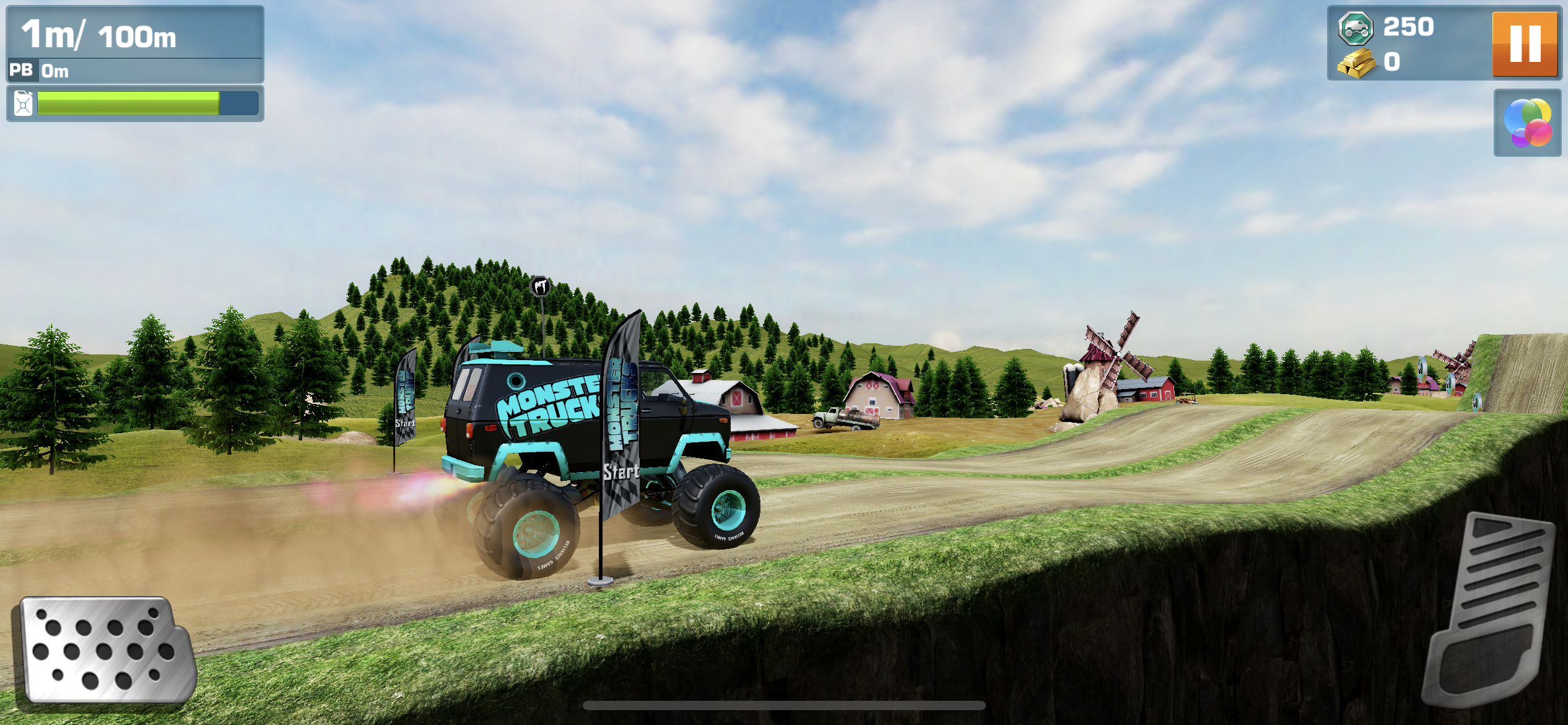
Final polish and optimization pass — locking the difficulty curve, tightening the rate-us prompt placement, and delivering a release-ready product.
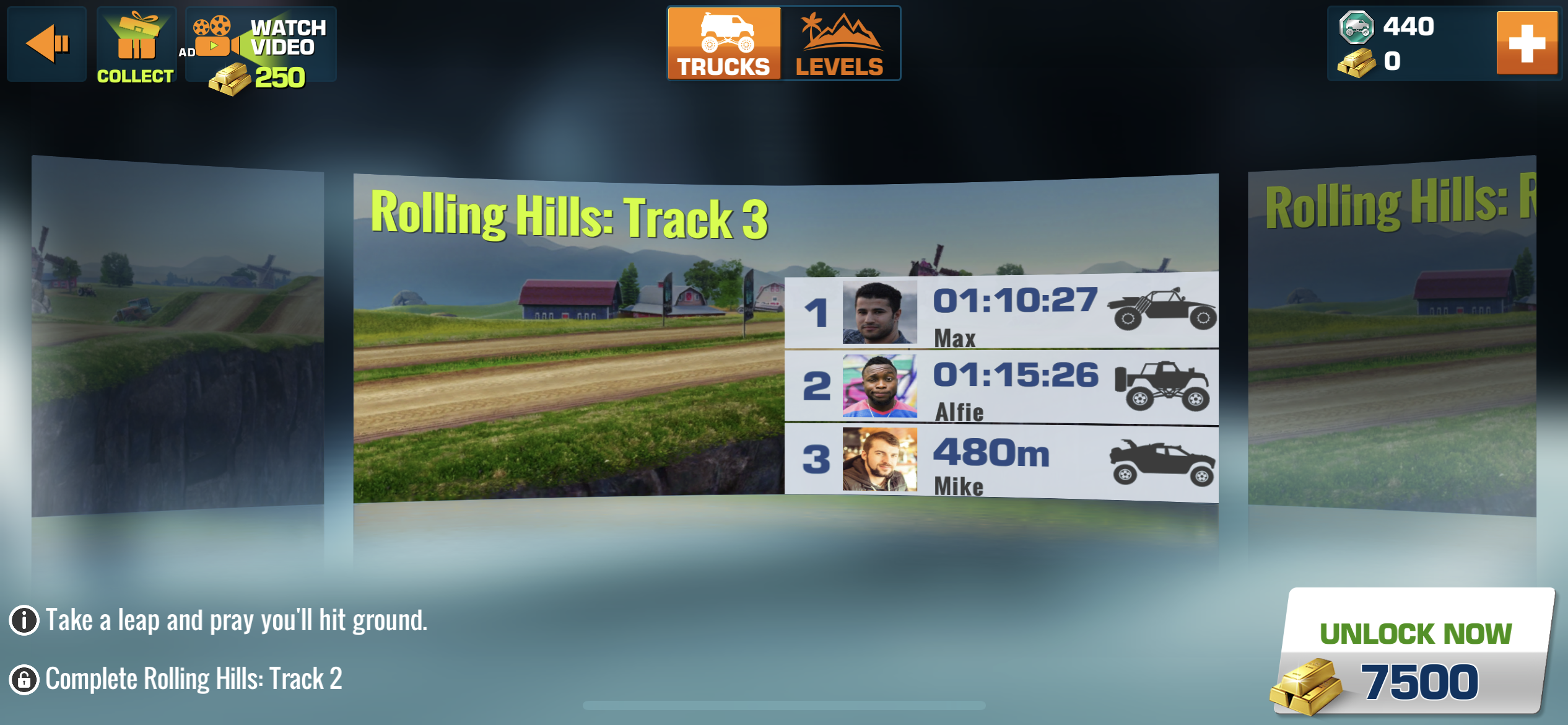
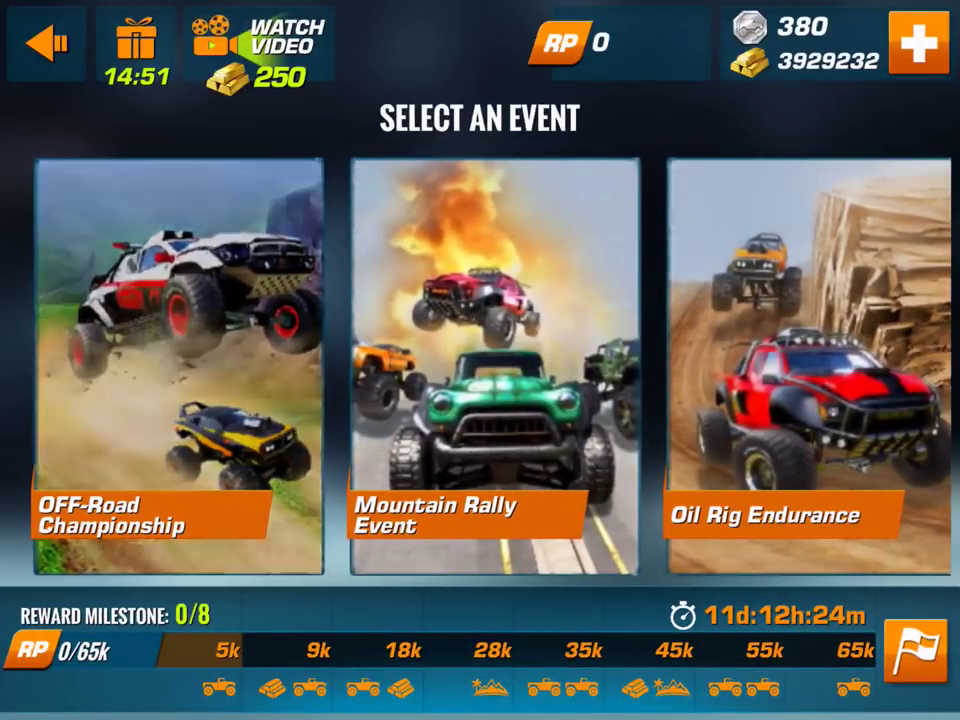
After launch I created a live event system with competitive races and leaderboards, giving players a reason to keep returning beyond the core progression. From there I kept updating the pricing, the physics, and the events based on what player data was telling me, treating the live game as something to tune continuously. The first major update focused on progression pacing, economy rebalancing, and store clarity — each targeted at a specific friction point the data had flagged.
What I Owned
Both the design and the product: vehicle physics tuning, distinct vehicle behaviour, upgrade systems, FTUE and hint systems, player progression and level gating, Unity level creation systems, level design and difficulty balancing, IAP bundle design, pricing strategy, ad placement, currency and upgrade economy, rate-us prompts, live event system with competitive races and leaderboards, and analytics-driven post-launch iteration across pricing, physics, and events.
Retention & Engagement
- D1 retention up ~2–3 points post-update
- D7 retention up ~1–2 points post-update
- Overall engagement up ~10–15%
- Level completion rates improved as friction points were removed
- Live events gave players a recurring reason to return
Monetization
Store clarity was the highest-leverage change in the first update.
Once players could see clearly what an offer gave them, conversion improved by around 10–15%. That's often the cheapest revenue win there is — not a new feature, just removing the ambiguity that makes players hesitate.
The economy rebalancing fixed the points where currency was piling up or running short, which had been creating dead zones in the progression where players had nothing to spend toward. Removing those dead zones was what moved the engagement numbers.