Live Event
Programmes
← Portfolio
Overview
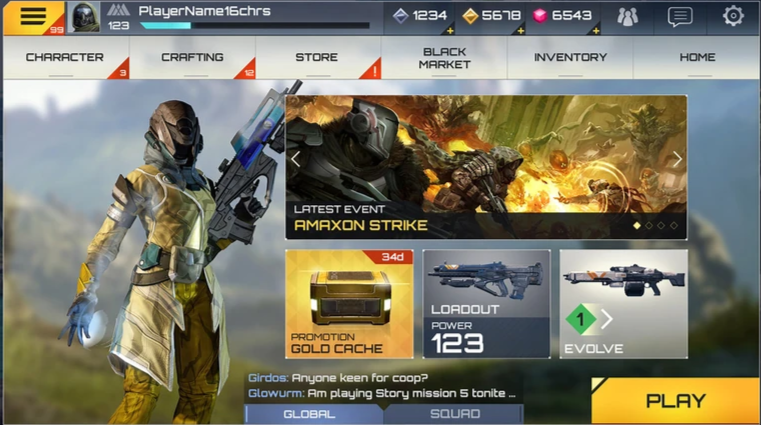
I led the design and ongoing operation of the live event programmes on N.O.V.A. Legacy — Shadow Events, Limited-Time Domination Events, and the Shadow Domination Event Programme.
In a competitive multiplayer shooter, live events are what keep the game feeling alive between content drops. I owned that whole surface: from how an event was structured to how it performed weeks after launch. I also led two designers on the programme, reviewing their work before it shipped and raising the consistency of the team's releases over time.
What the Events Were Built to Do
Drive Return Visits
Limited-time rewards create urgency — players who might skip a session won't skip one with a closing event window. The cadence of events was designed to give players a reason to open the game more often than they otherwise would.
Deepen Competition
Multiplayer objectives and ranking incentives pulled players into the modes that matter and gave the most engaged players something to chase. The competitive edge was what separated these events from a passive reward drop.
Hold Retention and Support Revenue
Aspirational progression goals and event-exclusive gear kept players invested across the event window, while the monetization layer — gear packs and timed offers — supported revenue without tipping the competitive balance in a way that would cost more in churn than it earned.
Designing and Balancing the Programme
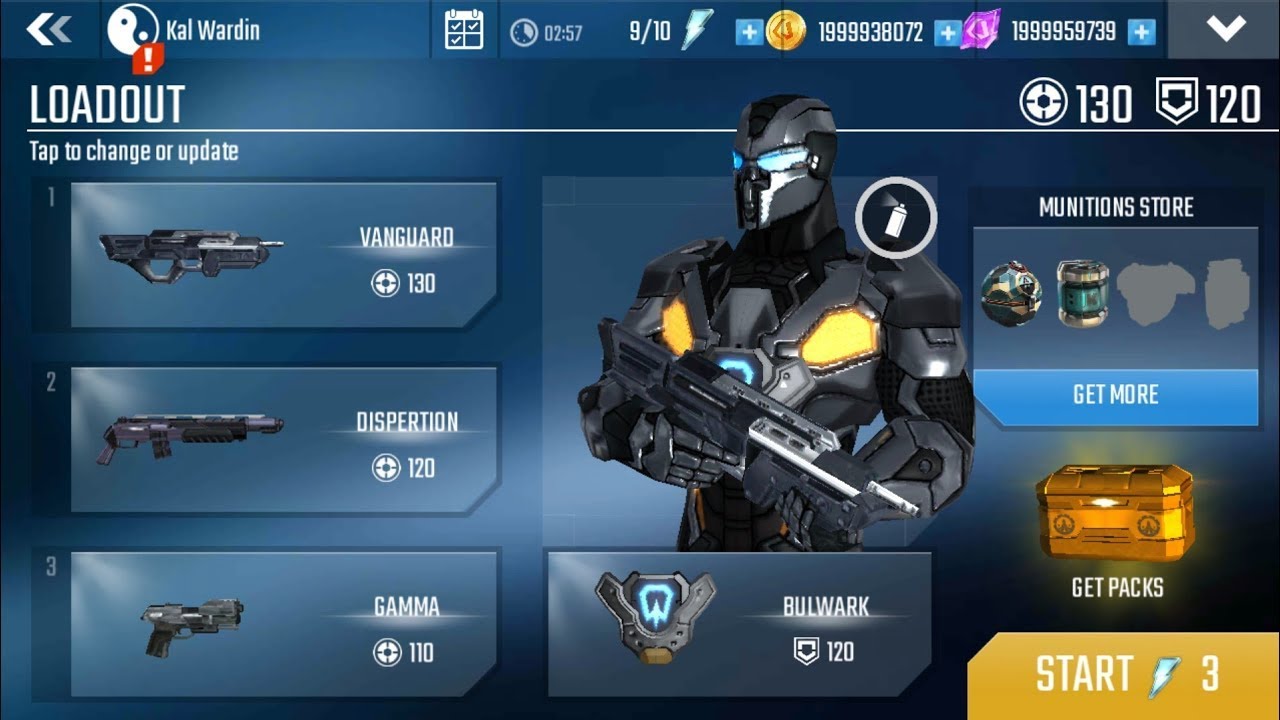
I designed the full event loop: the progression players moved through, the ranking incentives that drove competition, and the reward pacing that kept an event satisfying from the first match to the last. Each event needed a clear arc — a start that drew players in, a mid-section that rewarded sustained play, and a finish that made the effort feel paid off.
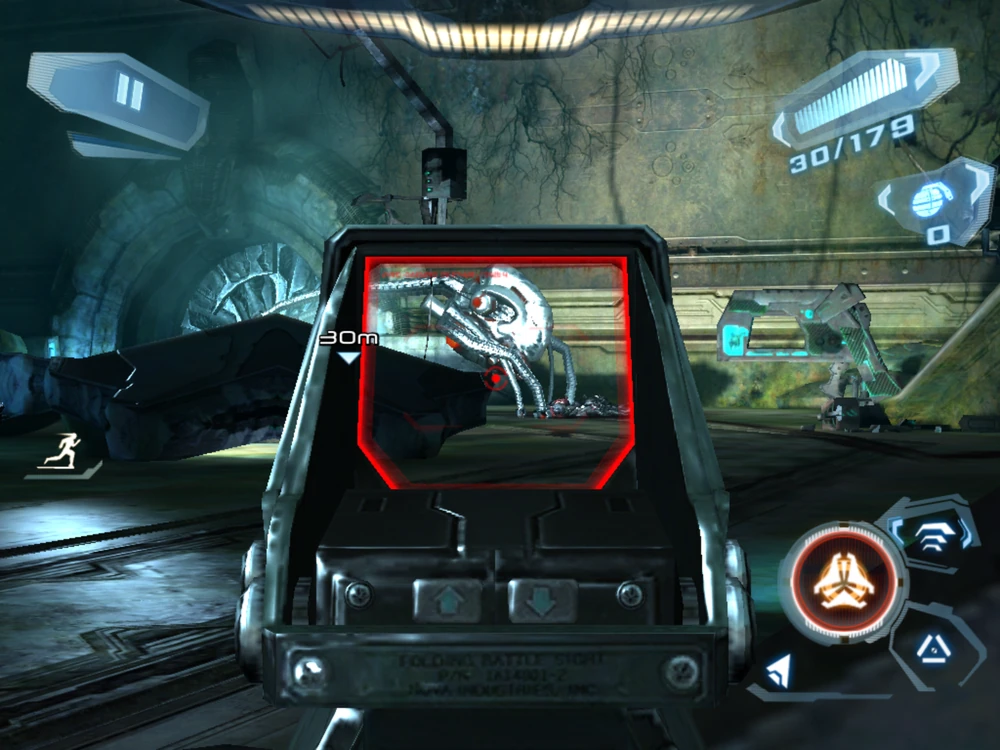
The hard part of event design in a competitive shooter is the tension between aspiration and fairness. Event-exclusive gear has to feel worth chasing, or players won't engage. But if that gear tips the competitive balance, events start to feel pay-to-win, and the players you most want to keep are the first to walk. A lot of my balancing work lived in that gap: making rewards desirable enough to drive participation and spend without distorting the moment-to-moment fairness the game depended on.
I tuned the monetization packs to sit alongside event progression rather than short-circuit it. Spend points were positioned as convenience and aspiration — premium gear and accelerators — not as gates that blocked the event experience for non-spenders. That balance is what kept event-driven revenue healthy without burning goodwill in the competitive community.
I wrote the implementation documentation the rest of the team built from, then supported QA through testing to make sure the event behaved the way the design intended. In a live multiplayer game, the cost of a broken event is amplified — players are competing against each other, so anything that fires incorrectly affects the experience in ways that feel unfair rather than just buggy.
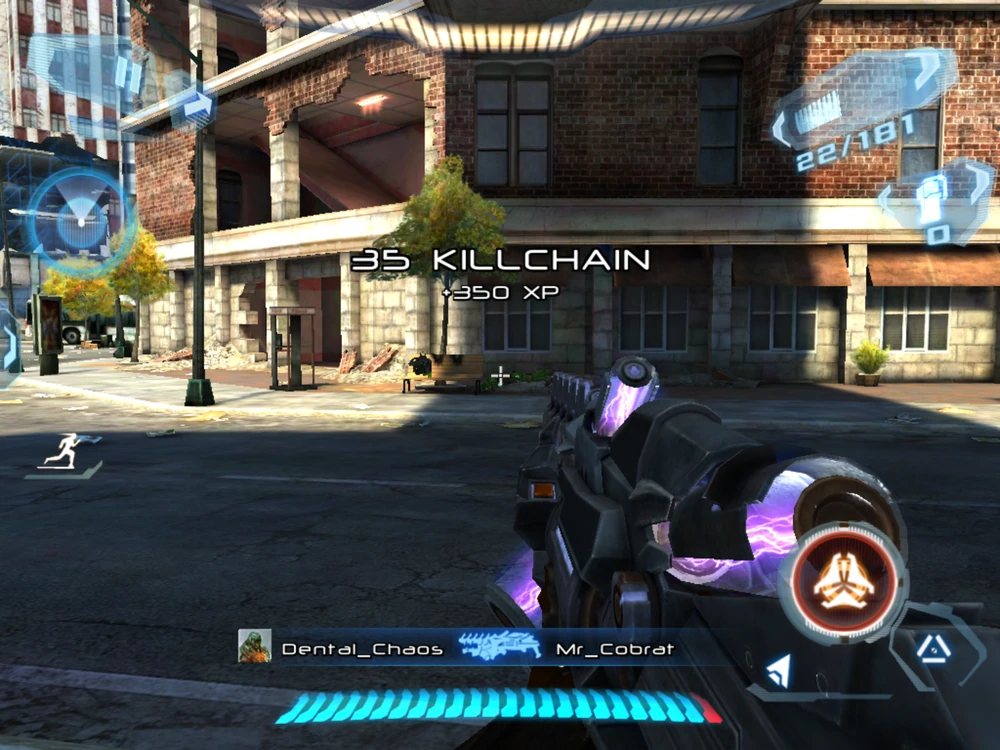
Once an event was live, I ran the post-launch optimisation as the data came in — participation rates, drop-off points, pack conversion, and competitive balance signals. The goal was to act on what the data showed quickly enough to improve the current event, and to carry the learnings forward so each subsequent event started from a better baseline.
Leading the Design Team
I led two designers on the programme. I allocated tasks across the events we had running, reviewed their event configurations and balancing work before it shipped, and mentored them on live-ops design — which has its own rhythms you mostly learn by doing.
Beyond the day-to-day, my aim was to raise the consistency and quality of releases, so an event felt dependable regardless of who on the team had built it. That meant building shared review standards, keeping documentation tight enough that anyone on the team could pick up a configuration mid-flight, and creating the space for designers to iterate without waiting for sign-off on every small decision.
How the Programme Performed
A sustained cadence of well-balanced events moved the metrics the programme was built around.
The limited-time structure and aspirational rewards lifted participation, and the recurring rhythm meant players came back more often. Holding players through a steady drumbeat of events supported retention. On the revenue side, demand for event-exclusive gear and the balanced packs raised event-driven revenue — without the pay-to-win drift that would have cost more in churn than it earned.
The Numbers
- Event participation up ~20–30% from limited-time structure and aspirational rewards
- Repeat sessions per player up ~15–20% across active event windows
- D7 retention up ~2–3 points vs. comparable periods without active events
- D30 retention up ~1–2 points
- Event-driven revenue up ~10–15% from gear demand and pack conversion
- No competitive balance drift — pay-to-win signal held flat throughout
Supply Spin & Daily Economy
Overview
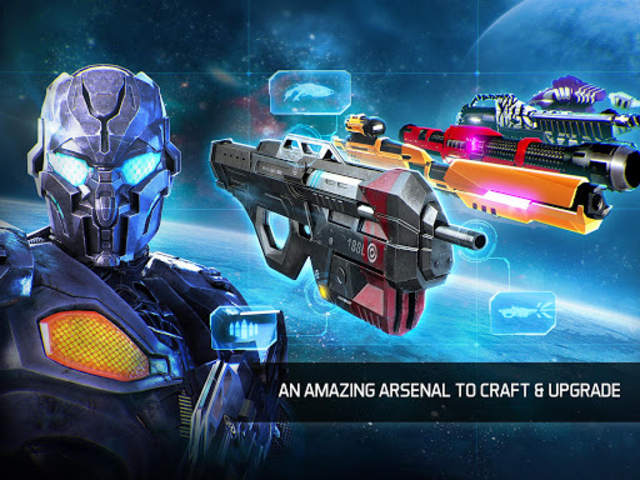
Alongside the live event programmes, I worked on the reward and economy systems that formed the collection and progression meta around N.O.V.A. Legacy's core shooting.
These were the loops that gave players a reason to keep building their loadout between matches: a repeatable reward feature called Supply Spin, and a connected set of daily systems made up of Daily Quests, the Galactic Theater, and the Black Market. My job was to make them function as a coherent whole rather than three separate features sitting next to each other.
Supply Spin
Reward Pool Design
I structured reward pools players actually wanted — balancing the value of each item against how often it dropped and making sure the whole thing supported long-term weapon collection without quietly breaking the progression curve. The goal was regular, satisfying reward moments that pulled players back to collect stronger equipment and keep upgrading their loadouts.
Progression Balance
Make the rewards too generous and you flatten the progression everything else in the game is built on. Make them too stingy and the feature isn't worth returning to. I tuned it to hold in the middle: frequent enough to build habit, paced carefully enough that progression still felt earned rather than handed out.
Monetization Value
By making the reward pools genuinely desirable, the feature raised the perceived value of the premium rewards, resource bundles, and progression offers sold around it — without the spin itself feeling like a paywall. Desirability drove spend on adjacent offers rather than blocking non-spenders from the feature itself.
The Daily Economy Ecosystem
Daily Quests drove frequent return behaviour through repeatable objectives and loot. I structured the quest mix to pull players into different parts of the game each day — campaign missions, multiplayer modes, and loadout upgrades — so the daily return had variety rather than feeling like the same checklist repeated.
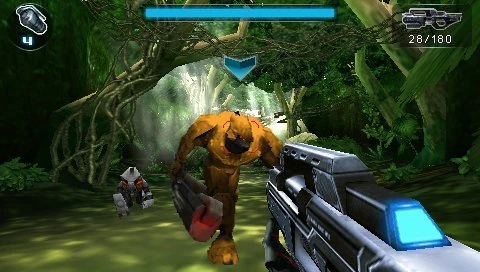
The Galactic Theater widened the activity loop with cards, packs, and resources to chase. It gave players an alternative progression path alongside weapons and gear, and a reason to engage with content they might otherwise skip. I balanced its reward output against the rest of the economy so it added value without creating shortcuts that made other loops redundant.
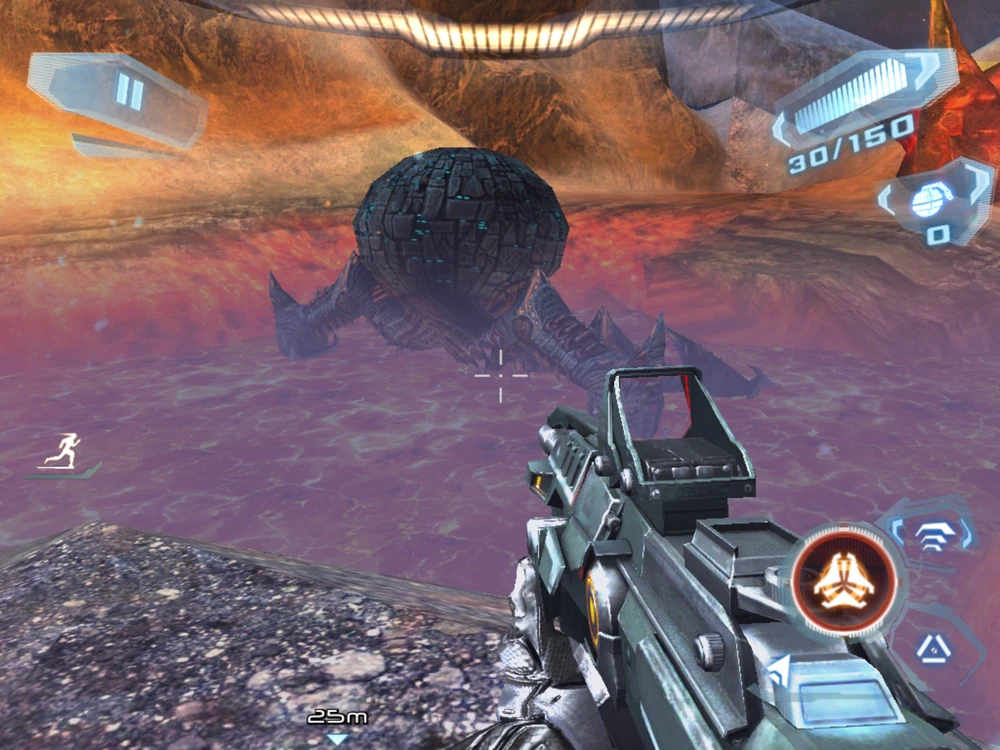
The Black Market gave players a targeted way to spend — a place where the resources they'd earned converted into the specific gear and cards they wanted. This tied earning directly to player-driven progression decisions, which is what makes resource spending feel meaningful rather than arbitrary. I tuned pricing and availability to maintain steady demand without creating scarcity that frustrated players who'd done the work.
The three systems were designed to function as one connected ecosystem rather than three independent features. I balanced the rewards and structured the daily progression loops so resources flowed through at a healthy rate — players earned in Quests and Theater, and spent in the Black Market — instead of piling up in one place or running dry in another. The goal was to keep players returning every day while creating aspirational gear goals and steady resource demand.
What I Owned
Supply Spin reward pool design, progression and drop rate balancing, monetization alignment, and the full daily economy ecosystem — Daily Quests, Galactic Theater, and Black Market — designed as a connected whole. I also led two designers across these features, reviewed their configurations, and put a structured post-launch review process in place.
Supply Spin
- Feature engagement up ~30%
- Repeat usage up ~24%
- D7 retention among users up ~6%
- Conversion on related offers up ~16%
- ARPDAU up ~12%
Daily Economy
- Daily Quest participation up ~15%
- D7 retention up ~3%
- Galactic Theater engagement up ~12%
- Black Market visits up ~10%
- Resource spending up ~8%
- Payer conversion and ARPDAU up ~5%