Ra.One
Genesis
← Portfolio
Overview
I worked as a junior game designer on Ra.One Genesis during its production, with level design as my main responsibility — and carried product management responsibilities alongside the design work.
The role covered building out the game's environments, designing the encounters players fought through them, and the supporting work that made those levels function: defining the enemies and weapons, balancing the difficulty, and documenting the audio and effects the levels needed.
On the product side I tracked deliverables across the disciplines feeding into my levels — audio, art, and engineering — and managed the documentation pipeline that kept those teams working from a clear brief.
What I Was Designing For
Rhythm in Combat
The placement and timing of enemy waves is what gives an action level its rhythm — the push and release that keeps a fight tense without wearing the player out. Deciding where waves spawn and how many a level throws at the player was the core design problem in each environment.
Distinct Characters and Weapons
Enemy types and player weapons both needed to feel meaningfully different from one another. If enemies blur together or guns feel interchangeable, the combat loses texture. I defined what each enemy was and how it behaved, and what each weapon's attributes were, so both sides of an encounter had genuine variety.
Difficulty That Tracks the Player
Balancing against player progression and level meant tuning difficulty to where the player actually was — challenging enough to stay engaging, without spiking past what they were equipped to handle at each point in the game.
The Work
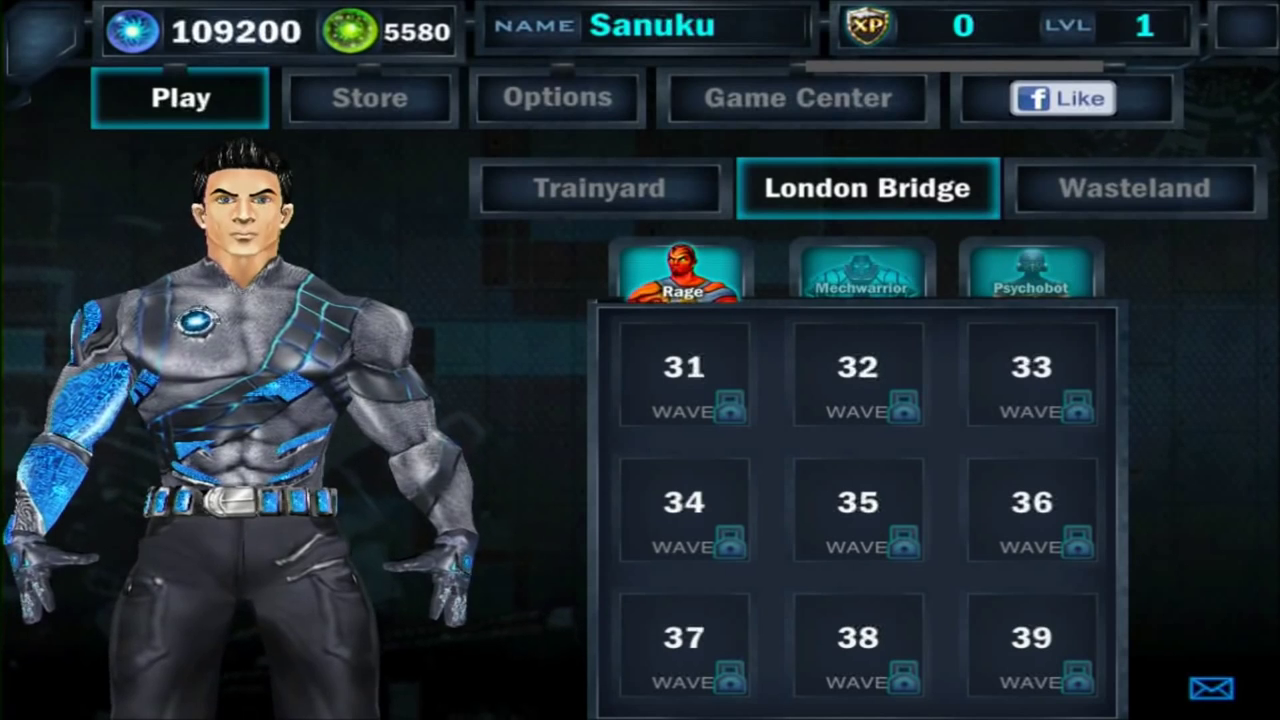
I designed three different environment levels for the game, each with its own layout and feel. The layout work shaped how players moved through each space and how encounters were framed by the environment around them.
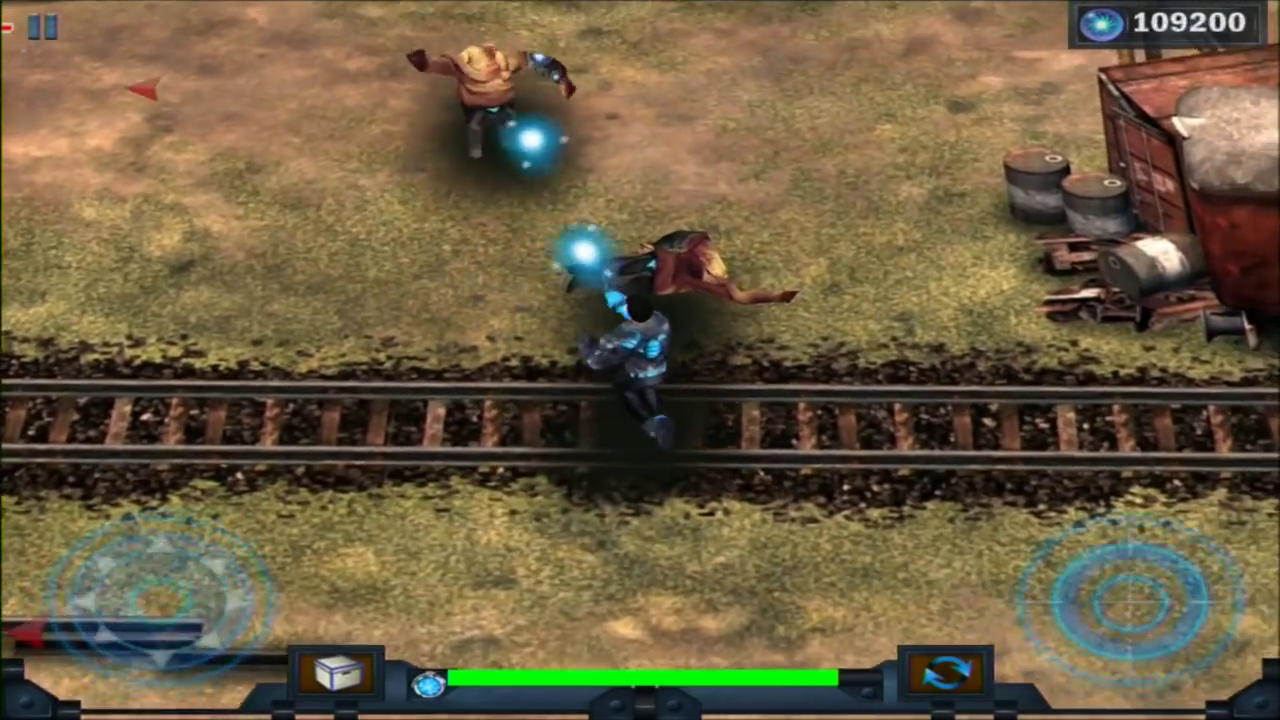
The combat encounters were the core of each level. I decided where enemy waves would spawn and how many waves a level would throw at the player — which is the core of action-level pacing. Get the timing wrong and a fight either drags or overwhelms; get it right and the player stays in a state of tension and release from start to finish.
I created the document that defined the different enemy types players would face — laying out what each one was and how it behaved — so the team had a clear reference for the threats across the game. The enemy roster needed enough variety to keep encounters from repeating the same pattern level after level.
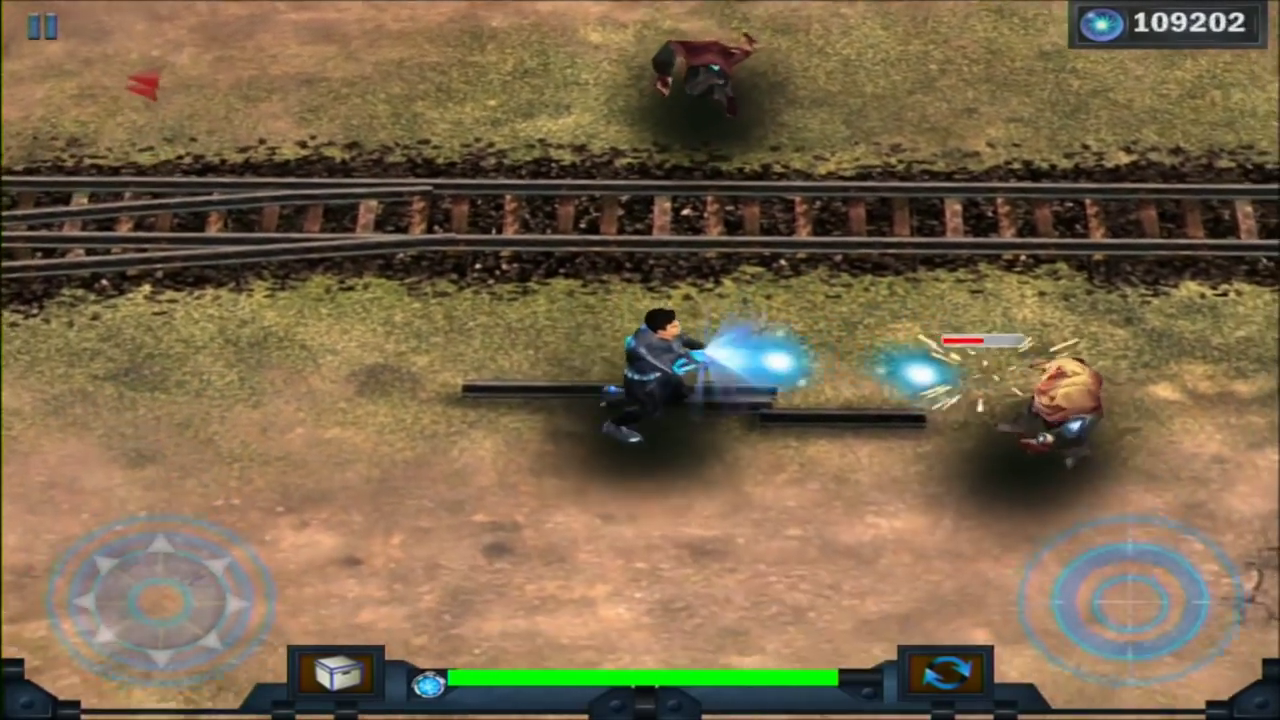
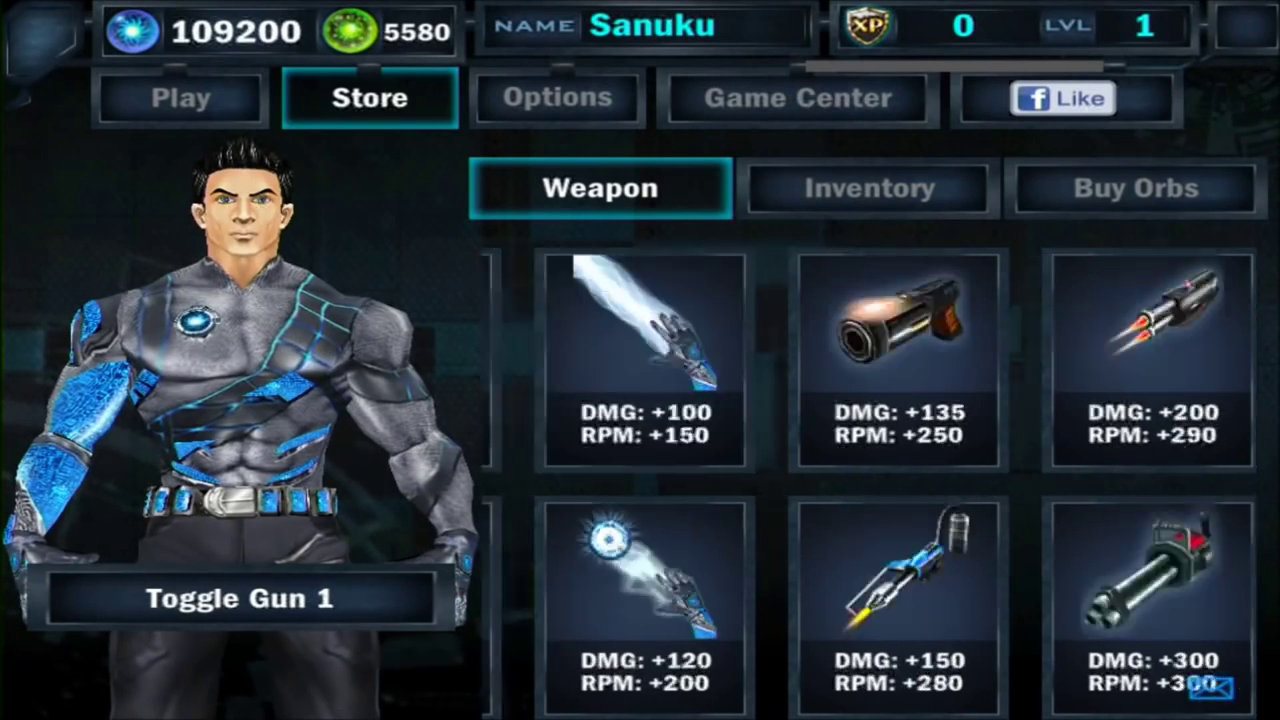
I wrote the descriptions and attributes for the guns the protagonist would use and unlock, defining how each weapon performed so they felt distinct in the player's hands rather than interchangeable. Each weapon needed a clear identity so players had a meaningful choice in how they engaged.
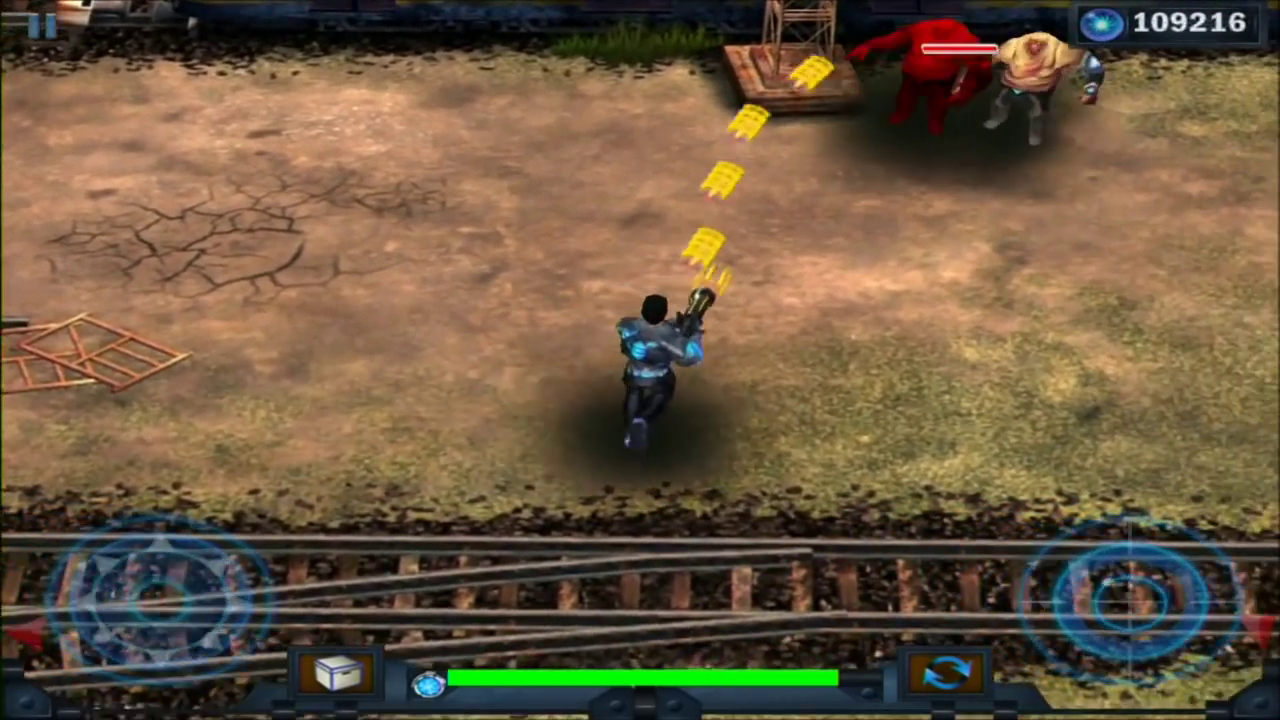
I balanced the game against player progression and level, tuning difficulty so it tracked where the player was. In an action game with a fixed weapon and enemy set, balance is about calibrating threat density and enemy behaviour against the player's capabilities at each point — not too punishing, not too easy to tune out.
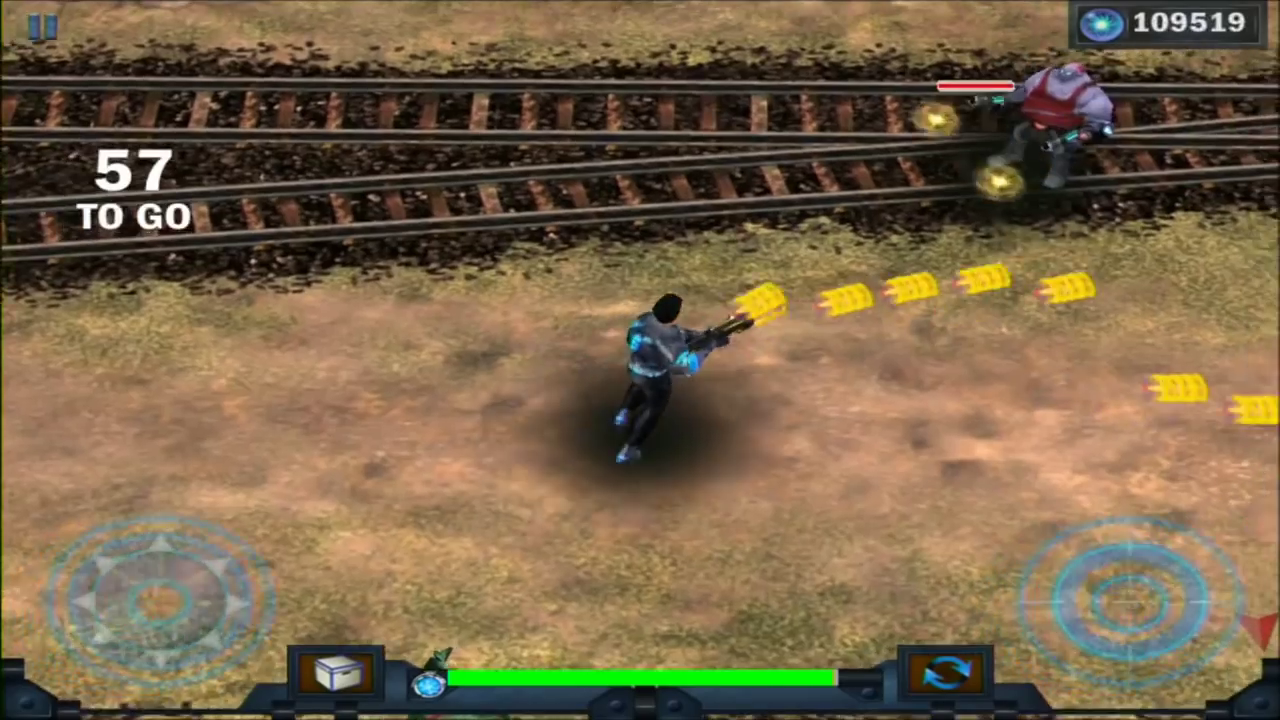
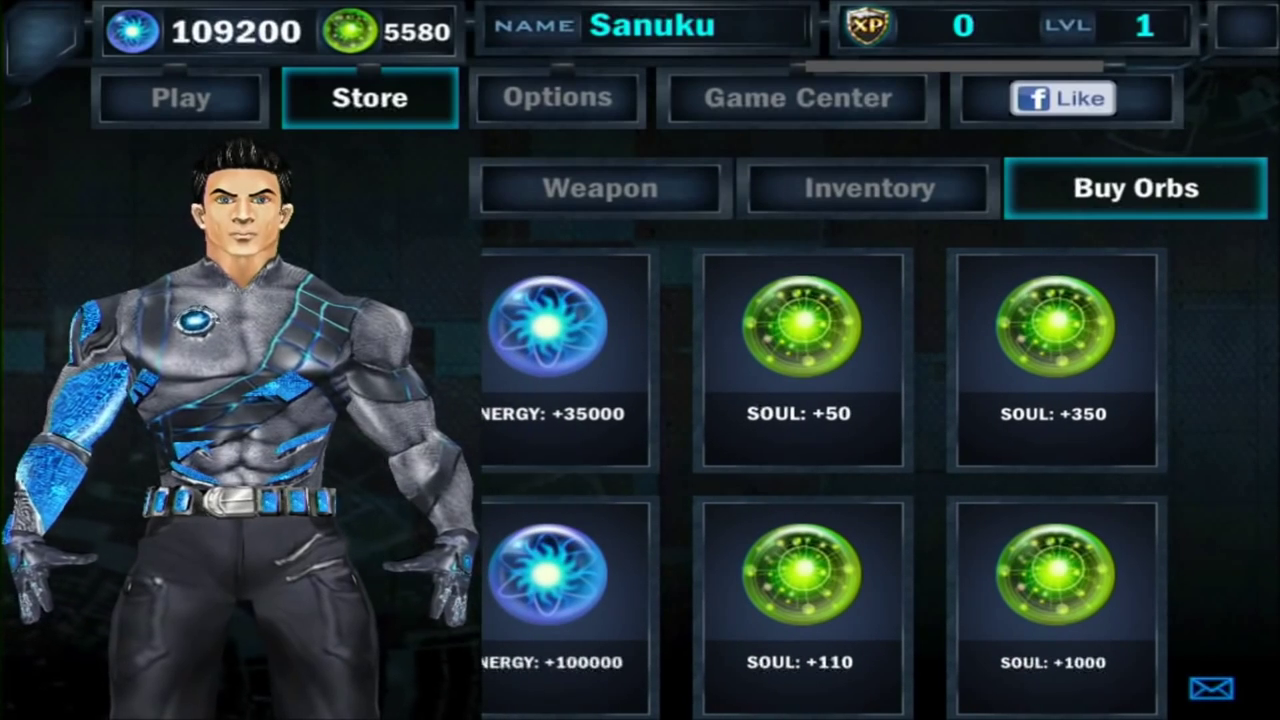
I created the reference documents for the sounds and the particle effects the game would use, giving the audio and art teams the direction they needed to deliver effects that matched the design intent. Running this as a managed deliverable — tracked, reviewed, and handed off on time — was part of the product management work that ran alongside the design.
What I Owned
Three environment levels from layout through final encounter design. Enemy wave placement and pacing across all three. Enemy type documentation. Weapon descriptions and attribute definitions. Difficulty balancing against player progression and level. Sound and particle effect reference documents. On the product side: cross-discipline deliverable tracking for audio, art, and engineering across the documentation pipeline.
Design Outcomes
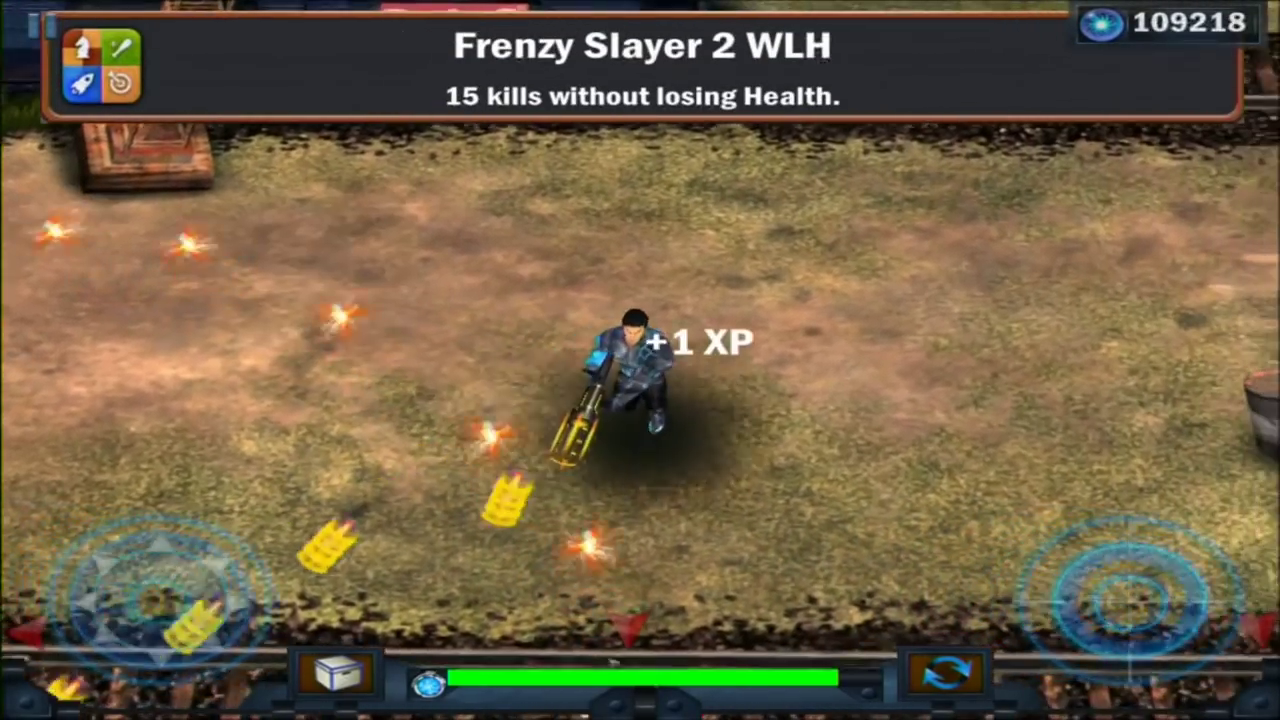
- Three distinct environments delivered with their own layout and encounter feel
- Wave pacing gave each level a clear rhythm of tension and release
- Enemy roster varied enough to avoid repetition across levels
- Weapon set gave players meaningful choice in how they engaged
- Difficulty balanced across progression — challenging without spiking
Outcome
Levels that played with pacing and variety, supported by documentation that kept art, audio, and engineering working from a clear brief.
Action levels live or die on encounter pacing — the timing of waves, the spacing between them, and the read time the player gets before the next threat arrives. Getting that right across three different environments, each with its own layout and feel, was the core design challenge and the main measure of success.
The product side — tracking deliverables and managing the documentation pipeline — meant the design reached the game intact, rather than drifting in the handoff to art and audio.