Super Pixel
Heroes
← Portfolio
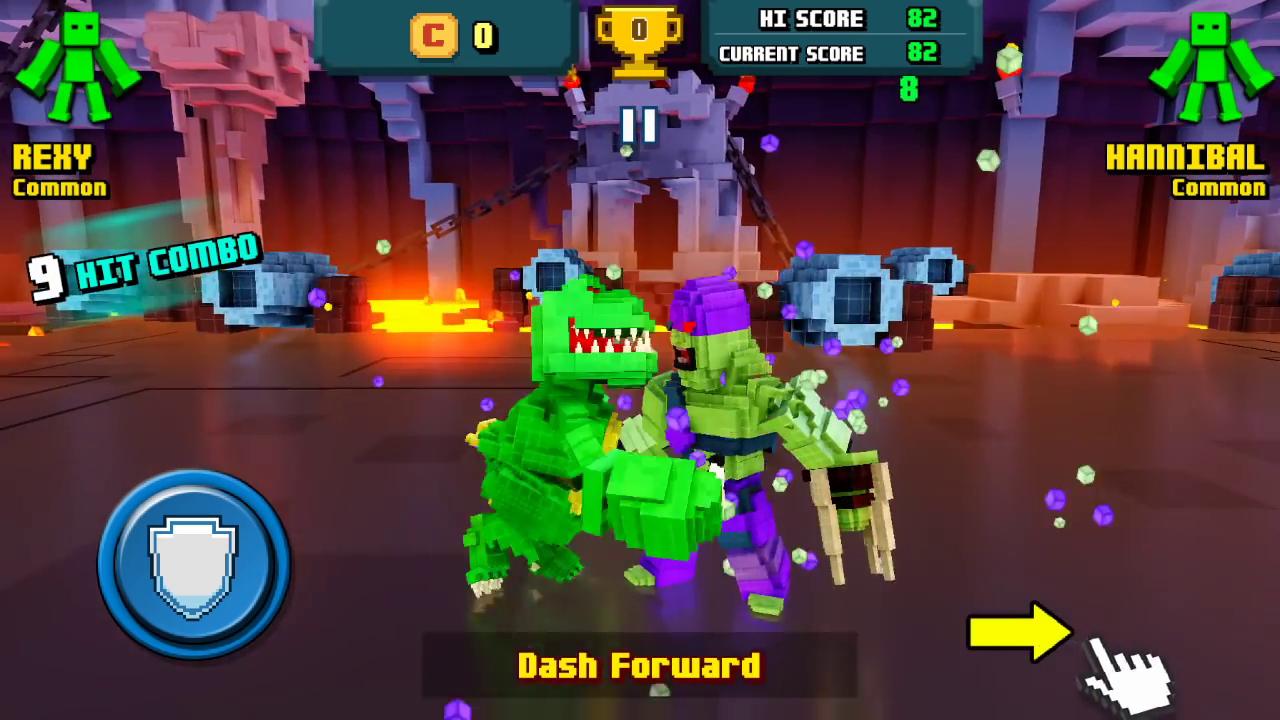
Overview
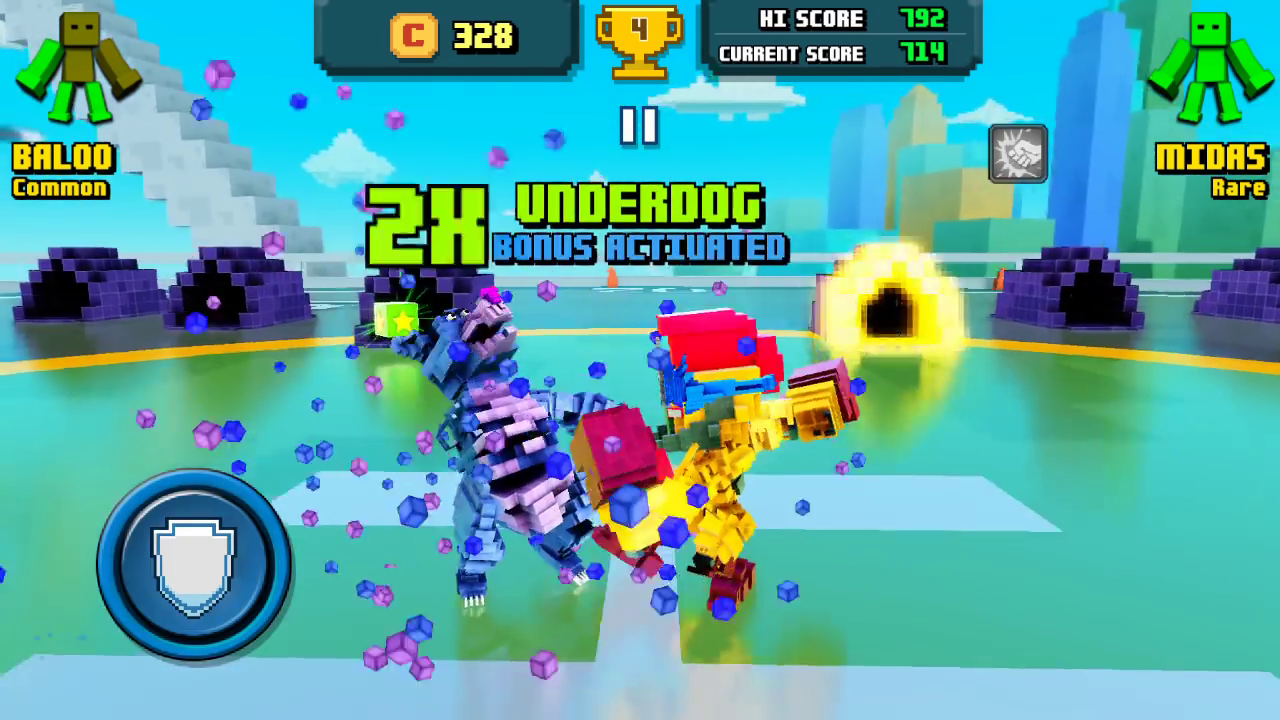
I worked on Super Pixel Heroes from the earliest prototype all the way to gold master, and then into its post-launch updates.
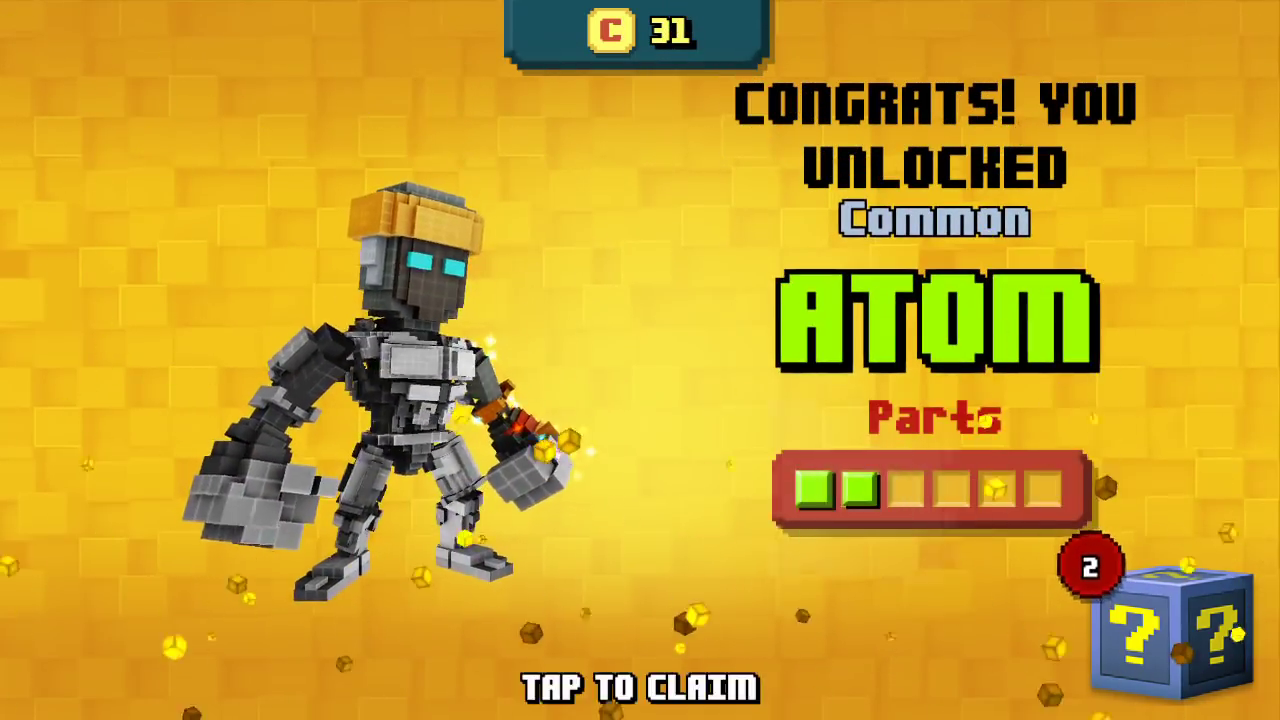
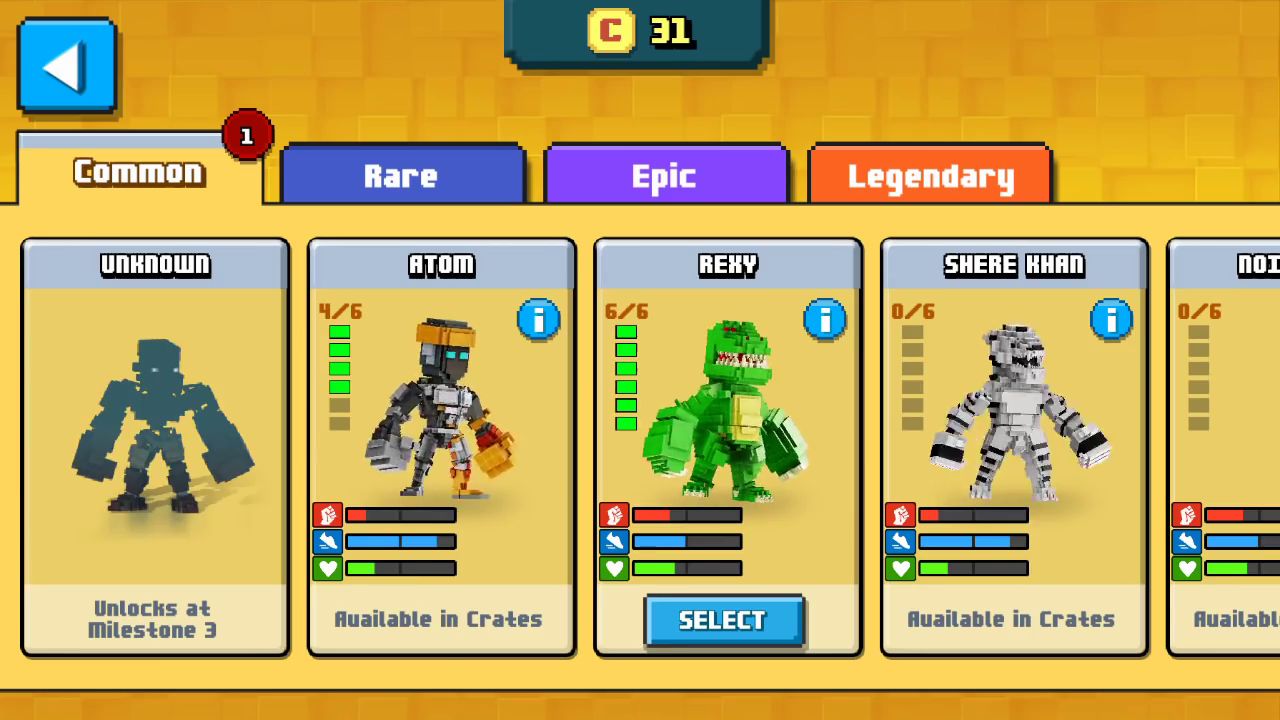
It's a midcore action game built on skill-based fighting and a collection meta, where players assemble heroes from individual body parts. I owned the combat design and the economy and progression systems, wrote the production documentation that kept the team aligned, and used analytics to steer the game through iteration.
Being on it for the full cycle meant I got to watch decisions made at prototype play out months later in the live game — which is rare, and taught me a lot about which early choices actually matter.
What I Was Aiming For
Combat That Rewards Skill
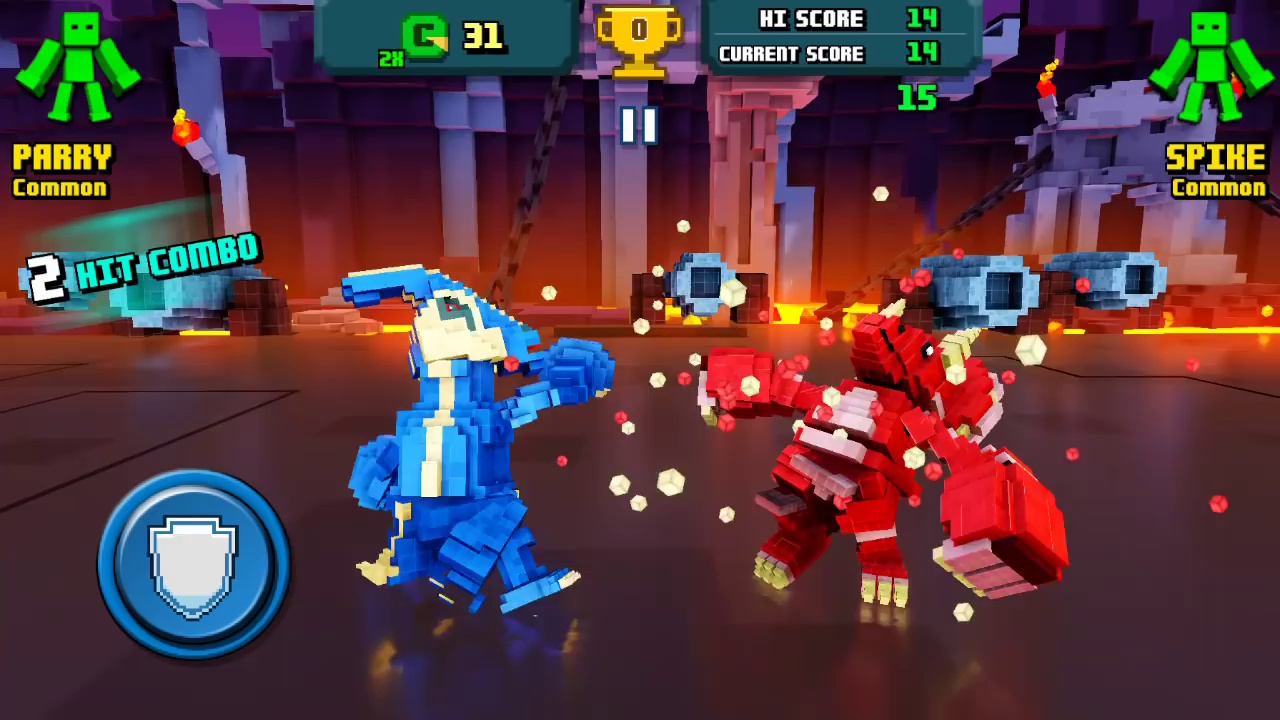
Fifteen distinct fighting stances, each with its own combos, so players had genuinely different ways to play rather than one optimal style with reskins. Every combo came with the full set of assets needed to make it land — animation, hitboxes, visual effects, and sound — because that alignment is what makes a hit feel like a hit.
A Gacha That Feels Fair
The collection meta ran on a gacha built around body parts. The job was balancing the two things that decide whether a gacha feels fair or exploitative: drop rates and the pacing of progression. The aim was a curve that kept players reaching for the next piece without feeling stalled or squeezed.
Monetization That Rides Alongside Progression
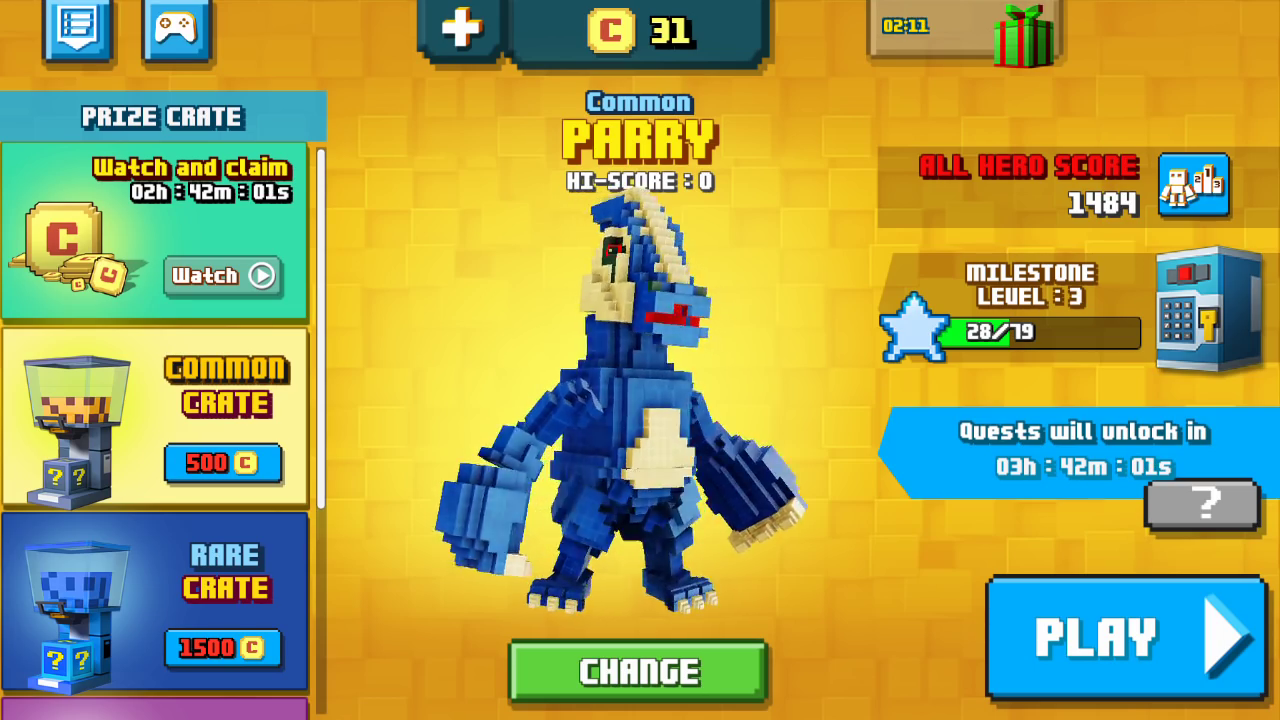
I aligned monetization with the progression players were already enjoying rather than against it, so spending accelerated the collection without becoming the only way to make real headway. The distinction matters for retention in midcore.
How It Came Together
I built the core combat loop and a basic set of combos with a single goal: prove the fighting felt good. Nothing else matters if the moment-to-moment combat isn't fun, so this phase was about validating that feel before committing to scale.
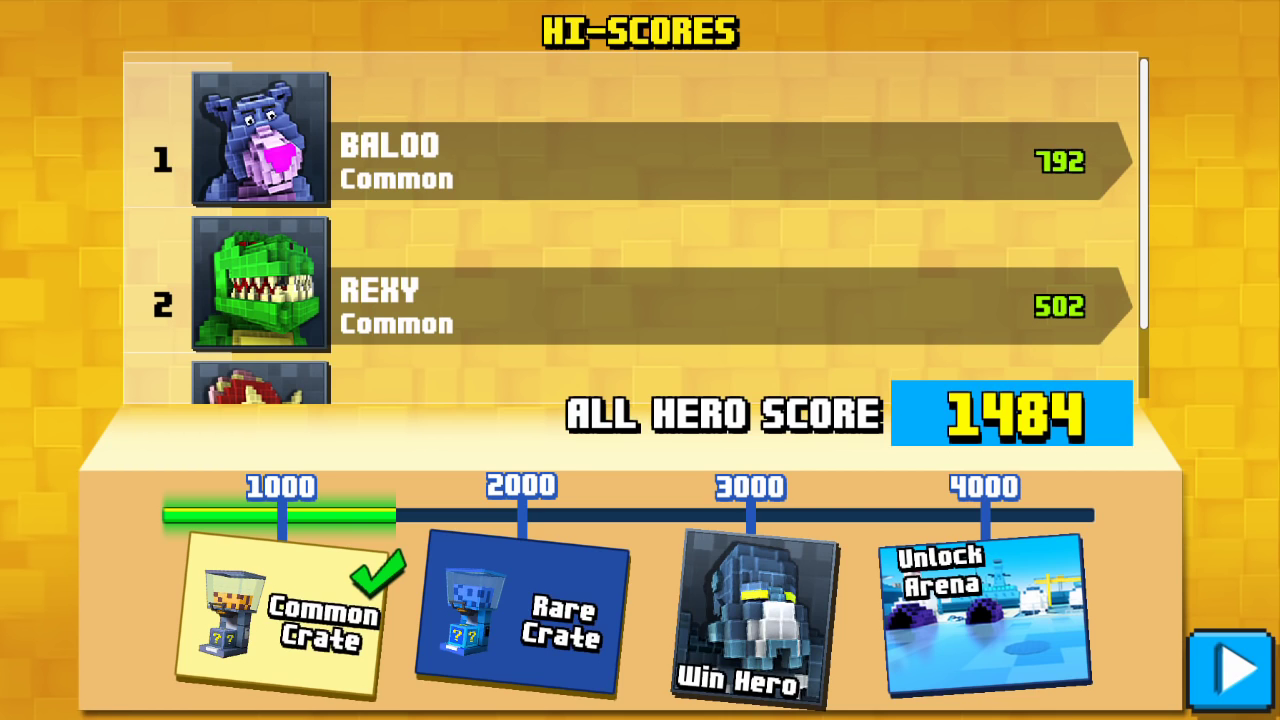
I expanded the prototype into the full fifteen-stance system and integrated the combo assets alongside the progression systems, so the game started to resemble the full experience rather than a combat test.
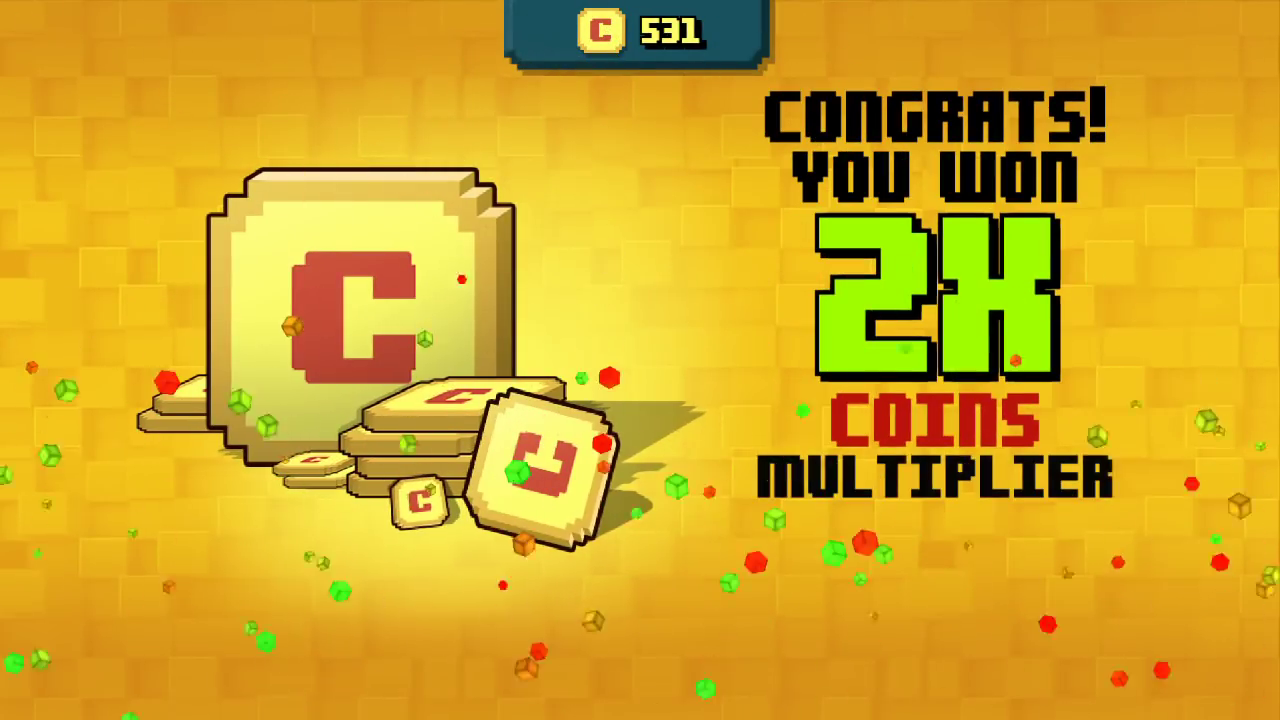
I balanced combat and economy together, since they pull on each other, and fixed the major gameplay issues that only surface once all the systems are interacting at once. I also ran QA and focus tests here, iterating on what the feedback and data told me.
A final polish and optimization pass — locking the difficulty curve, tuning responsiveness so inputs felt immediate, ensuring no single stance dominated, and delivering a production-ready build.
The first post-launch update added a power-up system, which I designed and implemented end to end. I wrote the documentation and balanced the values so the power-ups added depth to the combat without overpowering the stance and combo play the game was built on. It gave players a new layer to engage with and a fresh reason to keep coming back.
What I Owned
Combat design across all fifteen stances and their full combo asset sets — animation, hitboxes, VFX, SFX. Economy and progression design including the gacha system, drop rates, and monetization alignment. Production documentation covering animation, VFX, SFX, and gameplay flow. QA, focus testing, and analytics-driven iteration through the full development cycle and into live-ops.
Combat & Retention
- Average session length up ~15–20%
- D1 retention up ~3–5 points
- D7 retention up ~2–3 points
- Replayability lifted by 15-stance variety
- Skill ceiling rewarded long-term investment
Economy & Monetization
- Monetization uplift ~8–12%
- Spending pressure avoided — payers and non-payers retained
- Gacha progression felt earned, not blocked
- Power-up update extended live-ops headroom