Combat AI
System
← Portfolio
Overview
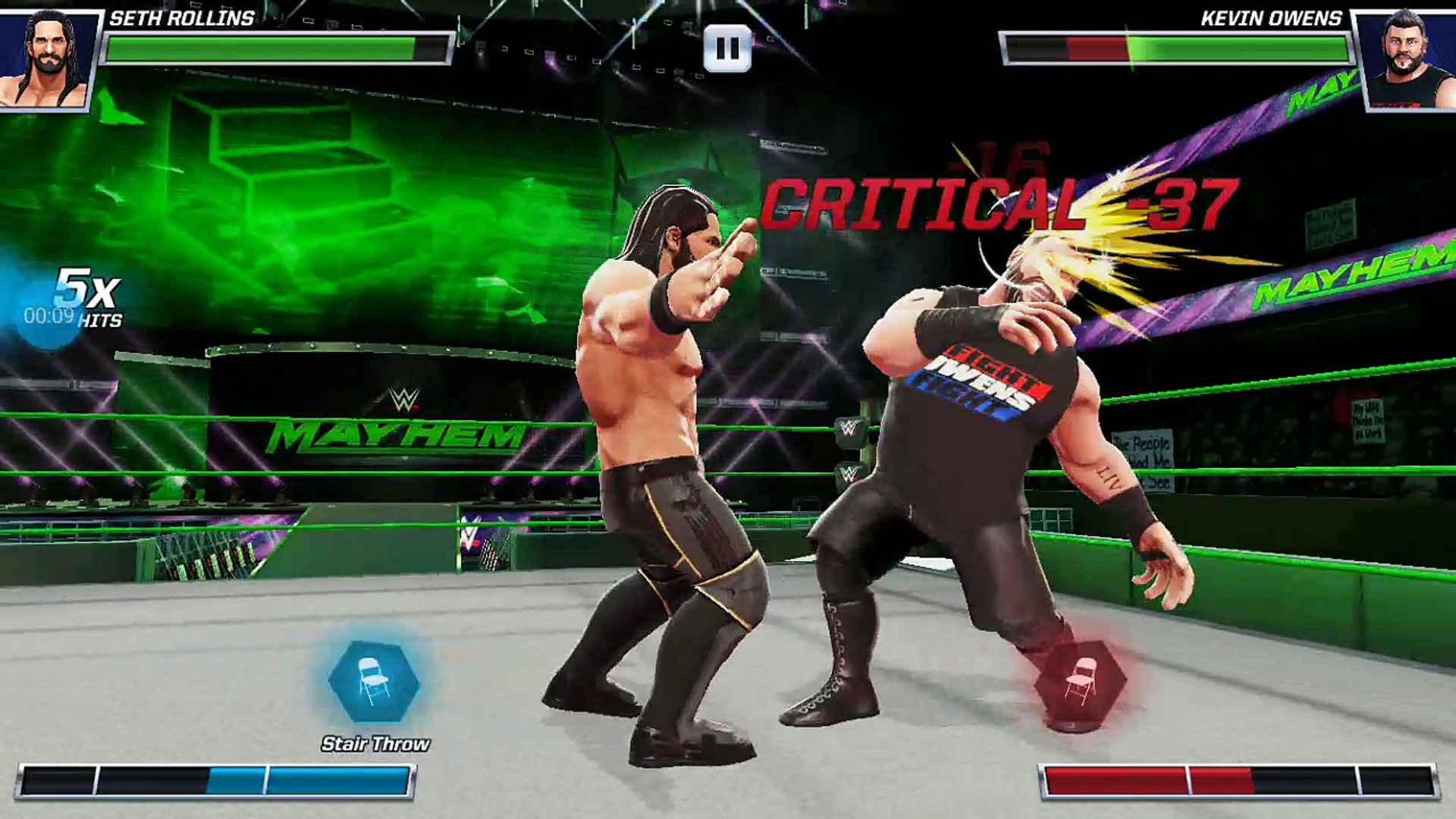
I designed and built the combat AI for WWE Mayhem — a fuzzy-logic system that I took from the first prototype all the way through to gold master.
I wanted combat that felt responsive and fair, that scaled in difficulty without leaning on cheats, and that gave each opponent a personality the player could actually recognize.
The system makes decisions probabilistically instead of following fixed scripts. Decision parameters control which action the AI chooses, based on probability and on what the player is doing. Counter parameters control how the AI reacts when the player dodges, blocks, or counters.
What I Was Aiming For
Distinct Personalities
Each opponent needed a recognizable style so no two fights felt identical. I built three archetypes: an aggressive type that attacks often and crowds the player, a defensive type that leans on dodging and blocking, and a balanced type that sits between them.
Fair and Readable
When a player lost, I wanted that loss to feel earned, not cheap. Combat had to stay readable — players needed to be able to see what the AI was doing and adapt to it.
Difficulty Through Tuning
Difficulty had to climb through behavioral tuning, not through stat inflation or input reading that players would notice and resent.
How It Came Together
I started with the fuzzy-logic framework and the base parameters: attack rate, defense, and counter timing. That gave me one baseline AI I could fight and reason about before adding any complexity.
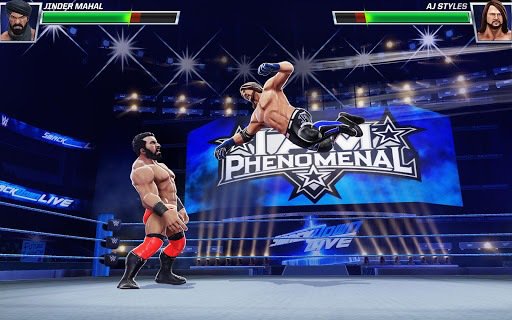
Once the baseline held up, I split it into the three archetypes and spent most of my time tuning probability weights and adjusting how each archetype responded to player triggers.
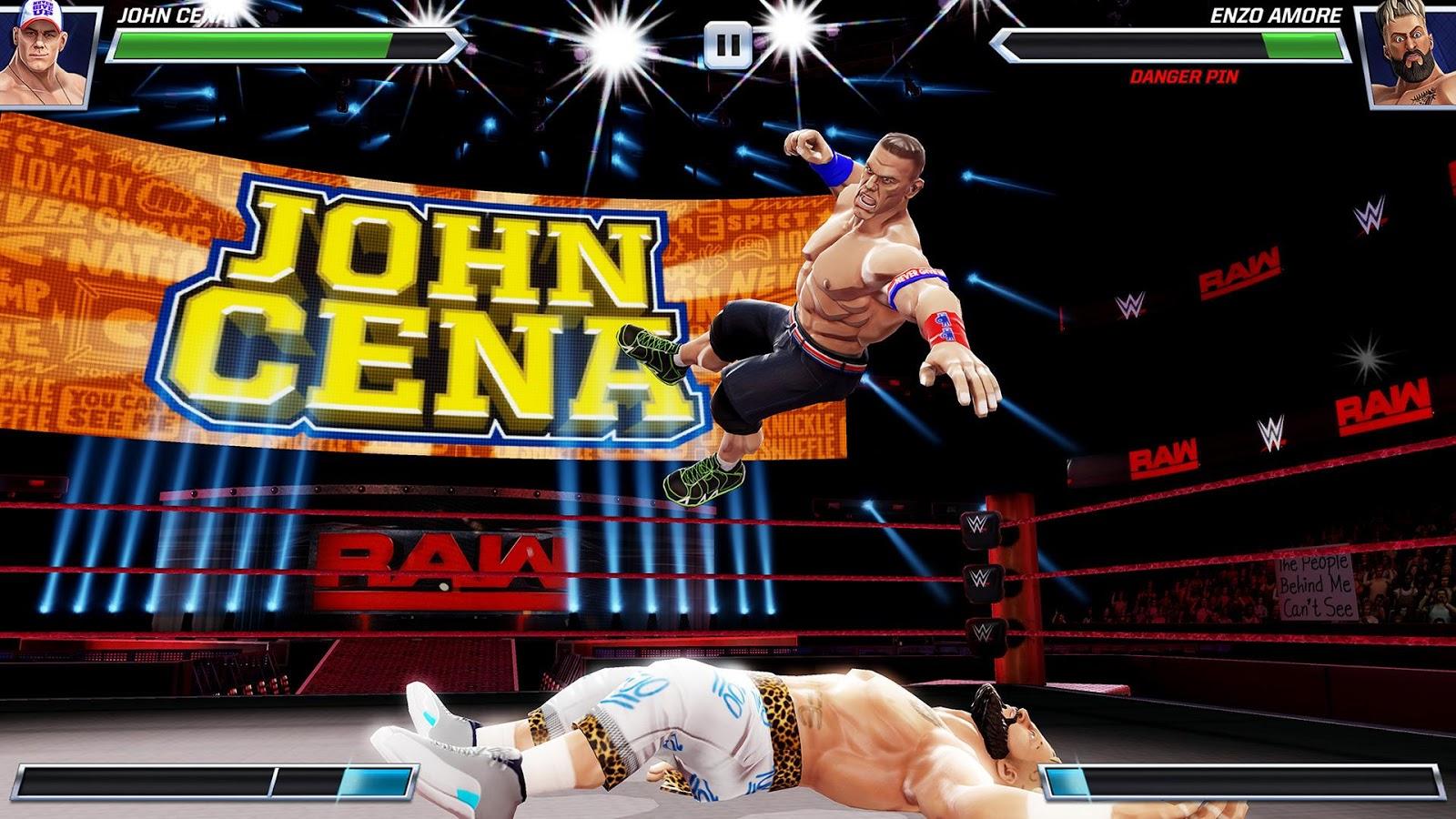
I ran the same matchups over and over and tracked three things: win and loss ratios, how long matches lasted, and how difficult players said the AI felt compared to how difficult it actually was. That last gap mattered a lot. I kept adjusting parameters until the numbers and the feel lined up.
QA put the system through every difficulty level. We fixed counters that fired unfairly, smoothed out difficulty spikes, and closed exploits players had found. A lot of this work was in the edge cases: long combos, low-health behavior, and what the AI does when it gets cornered.
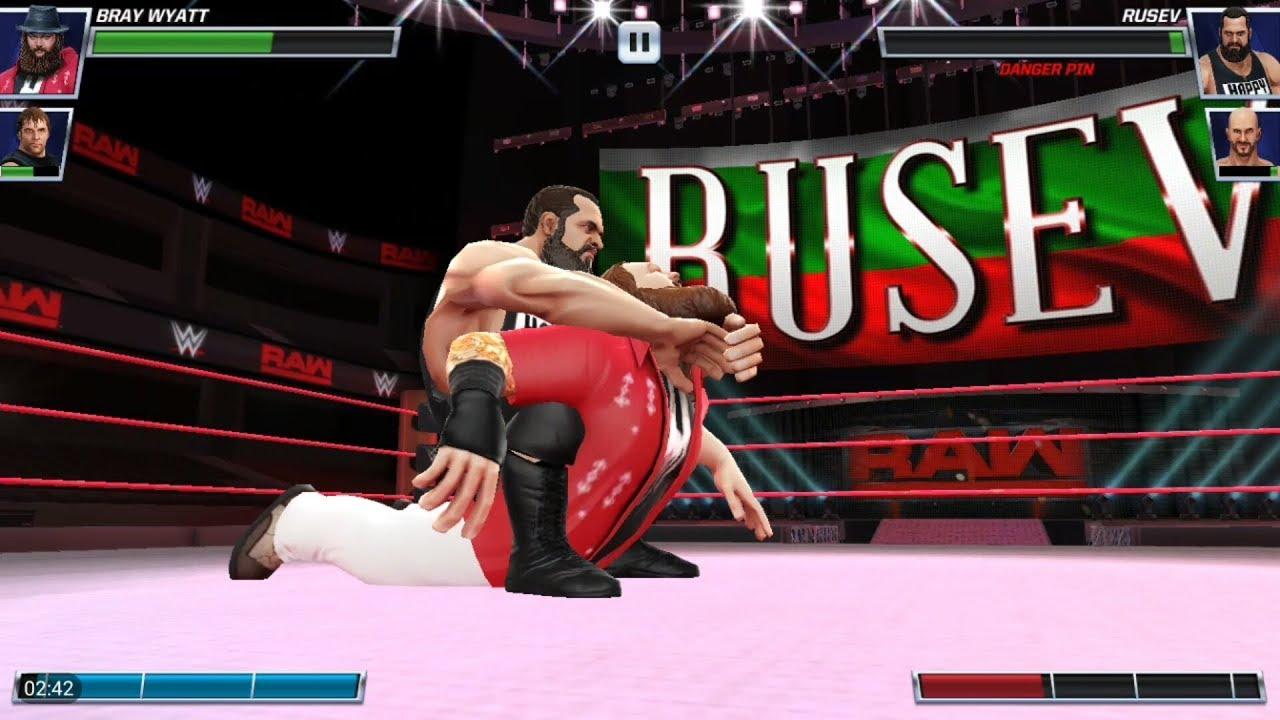
A final pass on balance, locking the difficulty curve, optimizing performance, and integrating everything into SVN so the rest of the team could build on it.
What I Owned
I designed the AI architecture and the behavior systems, created and tuned the personalities, and ran every balancing and iteration cycle myself. I worked closely with QA on testing and with engineering on implementation, and handled the final integration and deployment.
How It Played
Combat got deeper and harder to predict.
Because the difficulty came from smarter behavior rather than inflated stats, players could read the AI and improve against it, which made their wins feel like their own. The repetitive patterns that tend to show up with scripted AI mostly disappeared.
What It Did for the Numbers
- Lengthened the average session
- Pushed up the match completion rate
- Positive effect on D1 retention
- Positive effect on D7 retention
- Replayability rose as players returned to fight different archetypes
Live Events
System
Overview
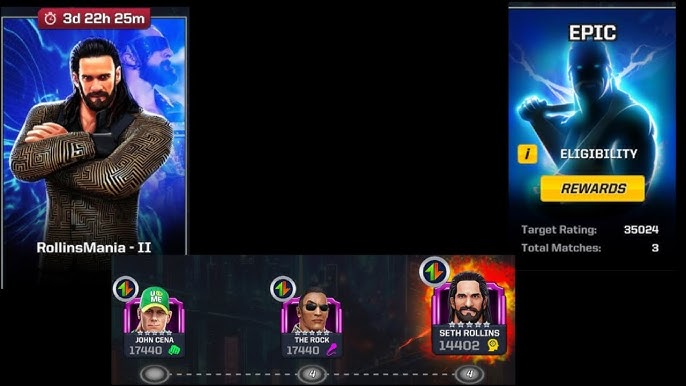
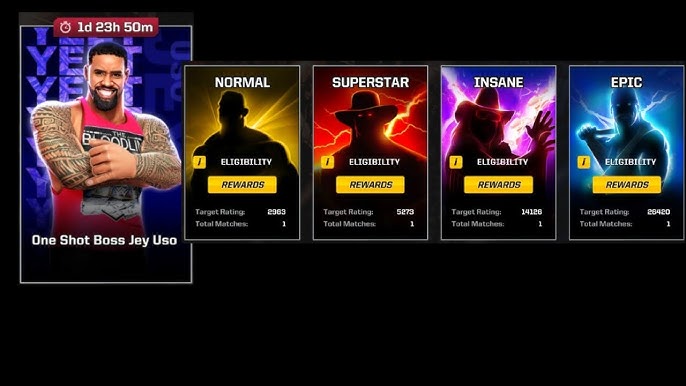
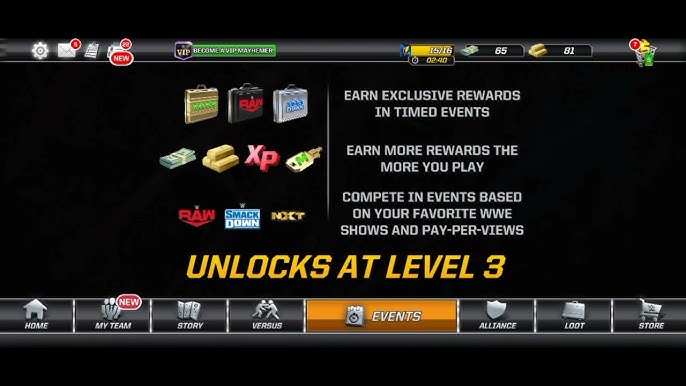
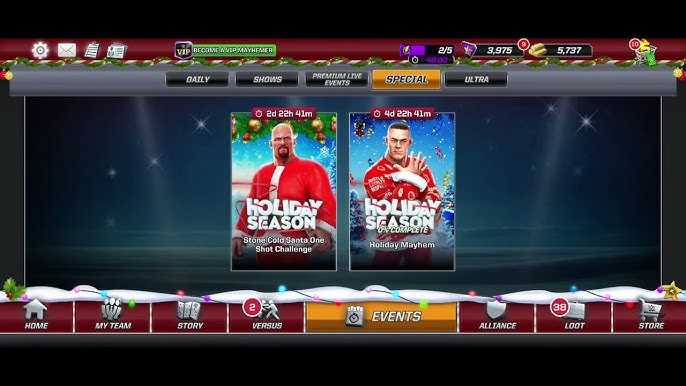
Events are the live backbone of WWE Mayhem — time-limited fight paths that players can only access for a set window, refreshed on a regular cadence so the game always has something current to come back for. They're the most-played mode by a wide margin, and I built the feature from scratch.
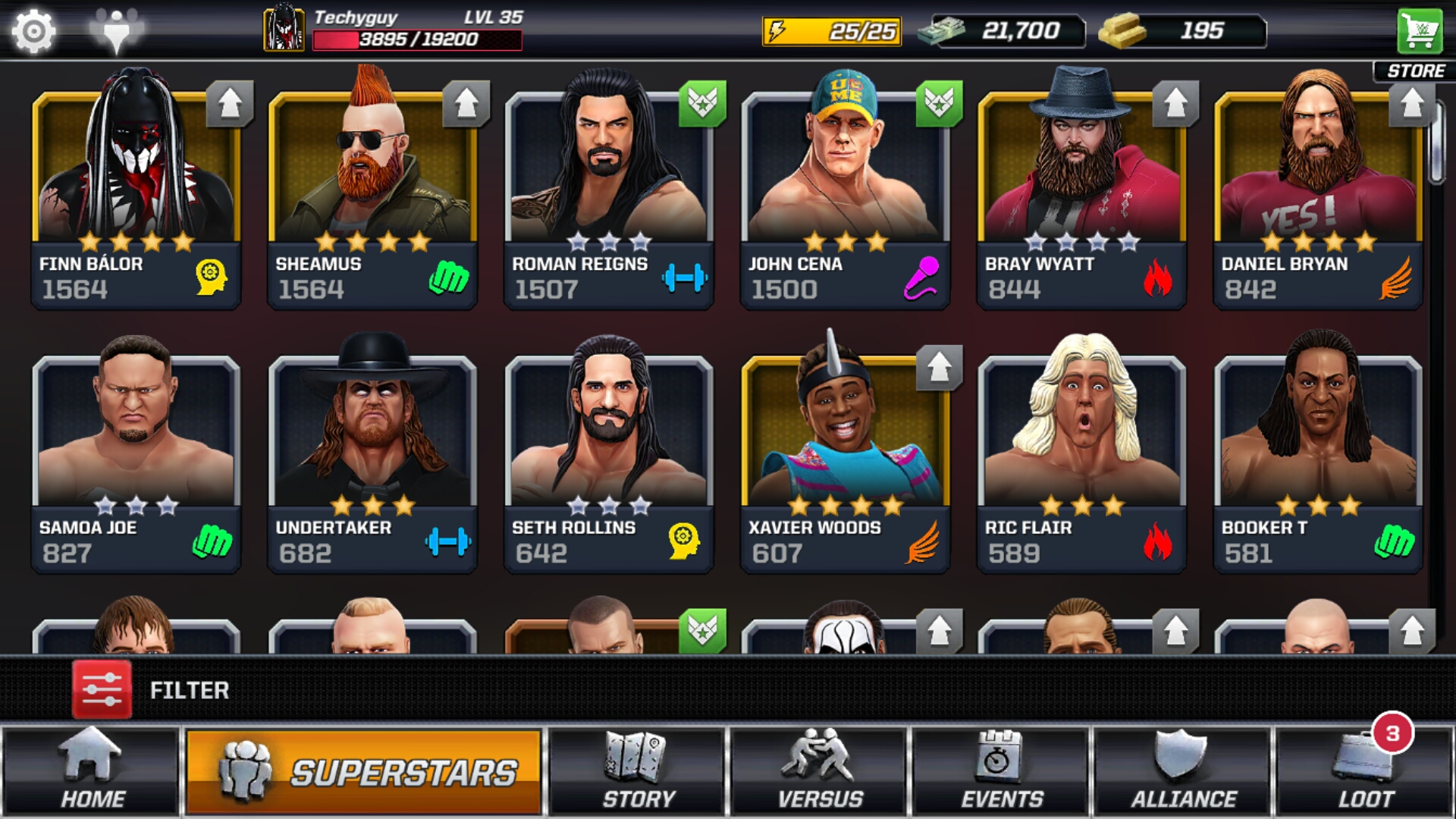
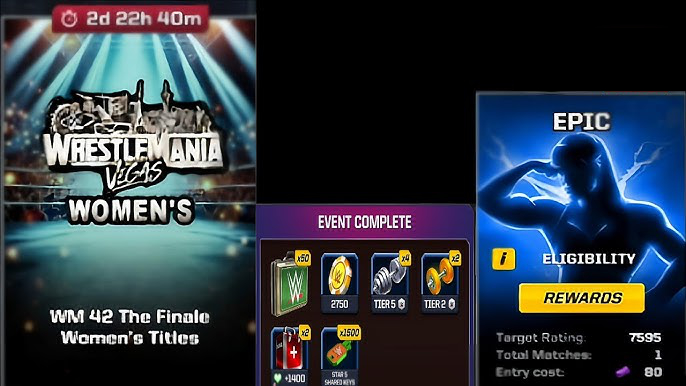
Each event is a path of several fights against different opponents, and the difficulty climbs as the player moves through it. Events are organized by type, mostly around WWE's brands, and each one pays out a reward tied to its theme. Finishing a SmackDown, Raw, or SummerSlam event earns the matching loot case, which feeds the roster-collection meta at the heart of the game.
How Events Are Structured
Organizing events by brand was the whole point.
The roster is the hook: superstars get unlocked and upgraded through the cards that loot cases contain, so a themed event gives fans a direct reason to play. A Raw fan grinds a Raw event to chase Raw wrestlers. Tying the reward to the theme is what makes a brand event feel worth the player's time, so I let players pick the brand they care about — SmackDown, Raw, or NXT — and gave each one its own loot.
Difficulty inside an event is progressive. The early fights ease players in, and the later ones gate the best rewards behind real challenge, which gives the ladder a sense of build and payoff.
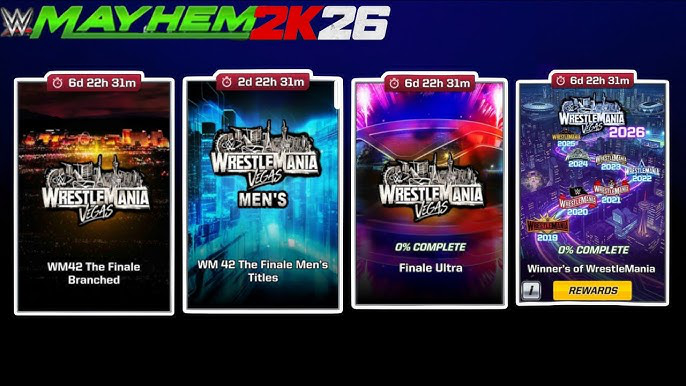
On top of the regular rotation, there are special events timed to the real WWE calendar. The Raw 25th Anniversary and the Royal Rumble run close to when those events actually happen, which keeps the game in step with what fans are watching and creates natural engagement spikes I could design around.
What I Owned
I created the feature end to end — built the fight ladder, set the difficulty for each event, played it to see how it held up, then adjusted the AI and opponents' ratings, health and power, until the fights felt right. I'd build several event templates and hand them to QA; once they passed, the event went live.
The Loop After Launch
Shipping an event was the start, not the end.
Once players were in it, I dug into the data: how the fights performed, where players dropped off, and how many were actually playing. Those drop-off points told me where an event was too hard, too long, or just not landing. I used what I learned to design the next round of events and make them better for the people playing.
KPI Impact
Events drove the game's core retention numbers.
Because events were the most-played mode, design changes tied directly to the metrics that mattered. Retuning difficulty off drop-off data pushed event completion up to roughly two-thirds of players who started one.
The Numbers
- Session length up ~15–20% during active events vs. baseline
- Event completion rate reached ~two-thirds of starters after difficulty retuning
- D1 retention up ~4 points during event windows
- D7 retention up ~3 points during event windows
- Strongest events replayed 3–4× per player, driven by loot chasing and brand loyalty